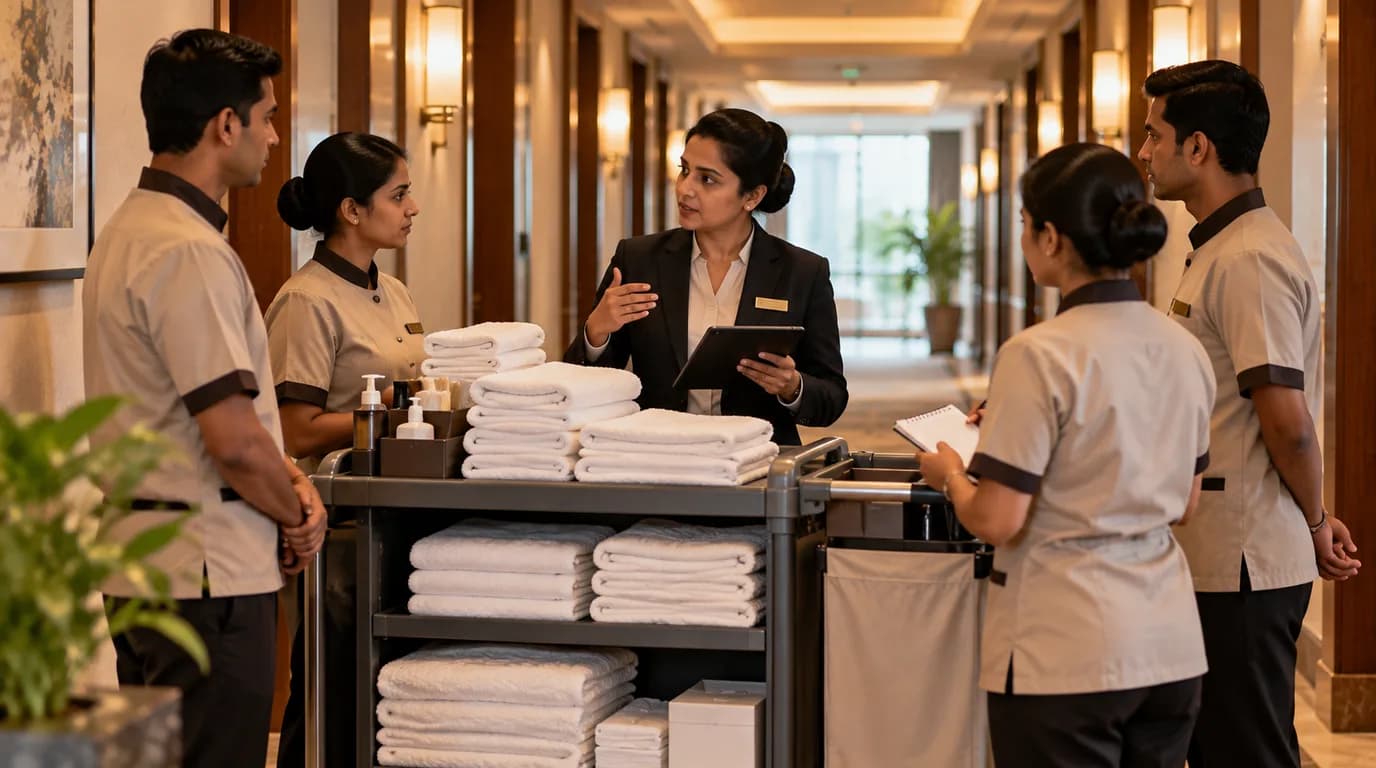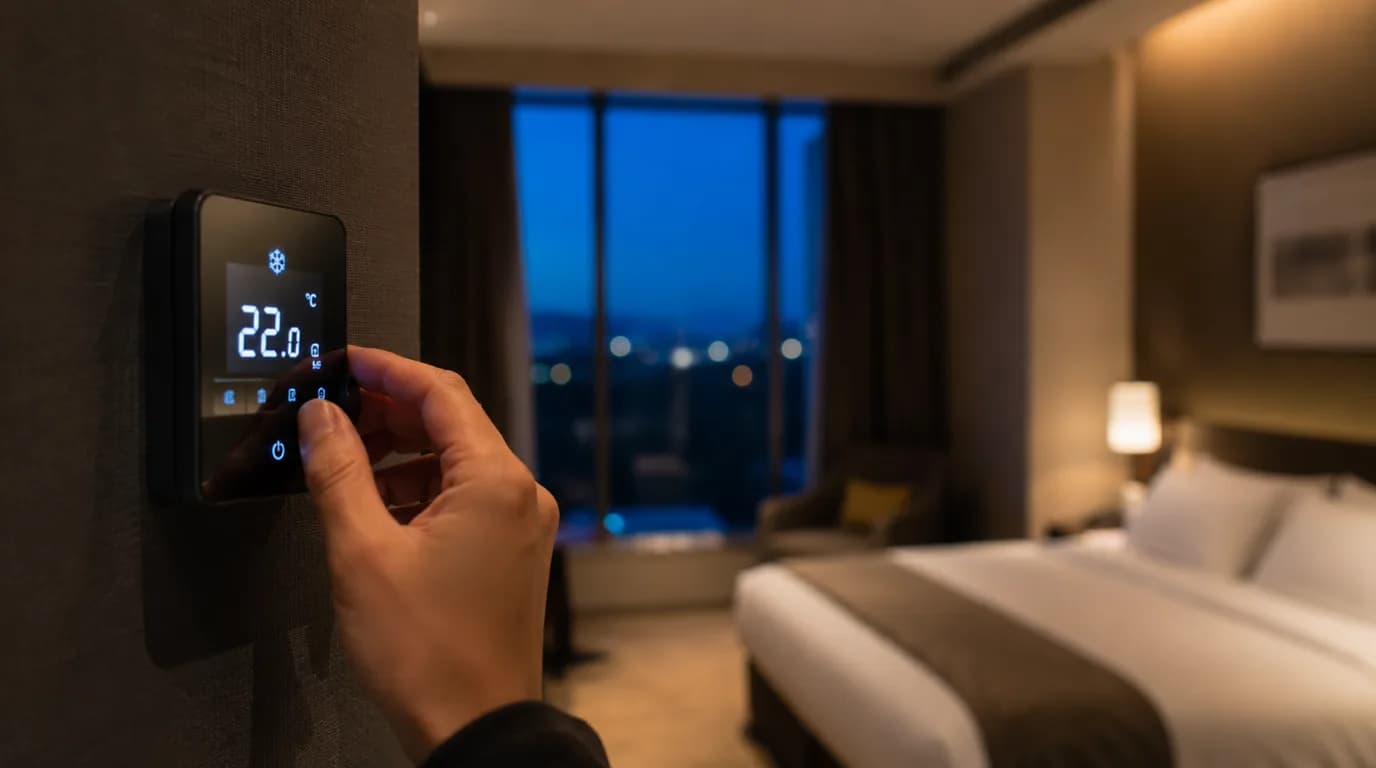

The short answer
Reactive maintenance is the most expensive way to run a hotel: every failure a guest experiences costs twice, once in the emergency repair and again in the refund, room move, apology and the review that mentions it for the next thousand bookers. The alternative is not a bigger engineering team but a preventive programme — asset register, scheduled tasks by frequency, room-level inspection cycles and a work-order system that closes the loop.
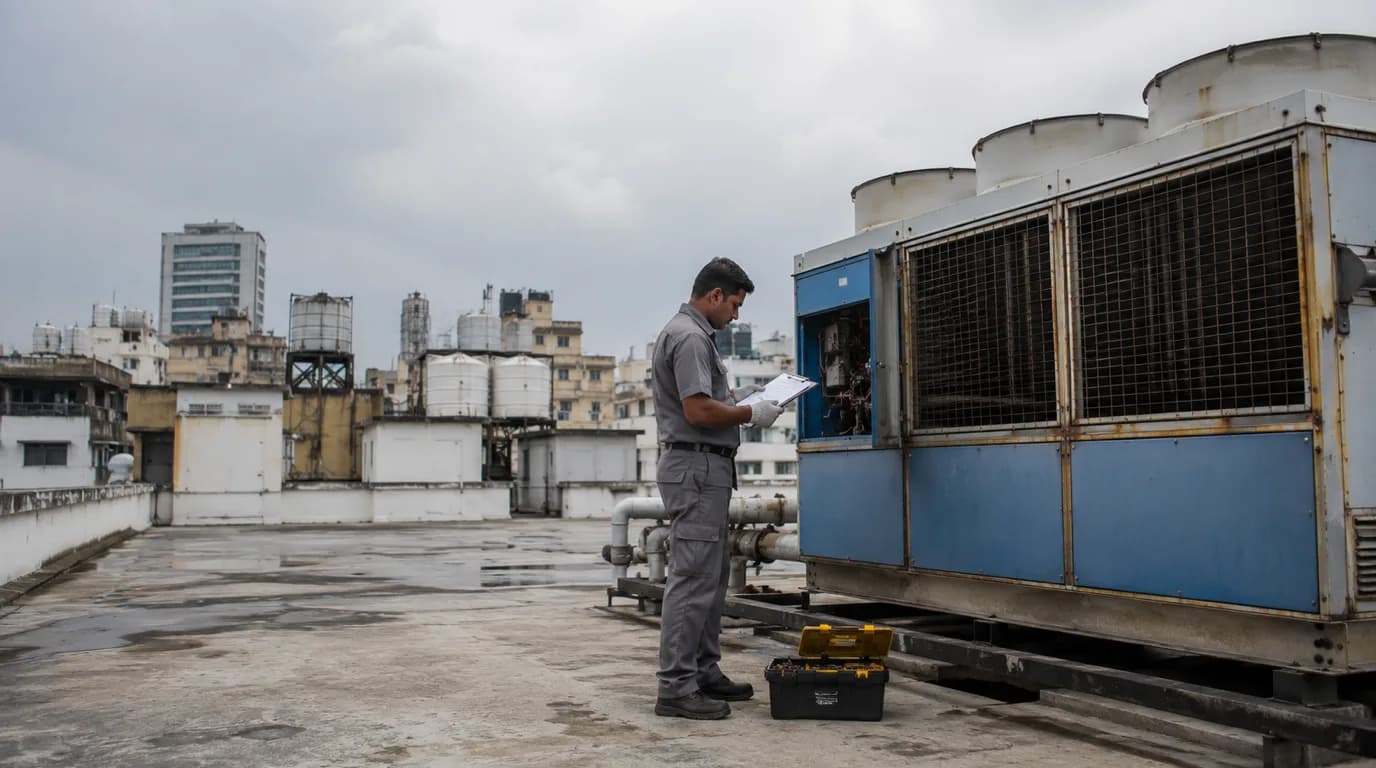
Walk into the engineering office of most 25–300 room Indian hotels and you will find the same picture: a duty engineer buried in today's complaints — AC not cooling in 304, geyser tripping on the second floor, a lift acting up before a wedding. The team is busy, sincere, and permanently one step behind the building.
That is reactive maintenance, and it is the most expensive way to run a hotel. Every failure a guest experiences costs you twice: once in the emergency repair, and again in the refund, the room move, the apology amenity, and the review that mentions "AC didn't work" for the next thousand bookers to read. The alternative is not a bigger team. It is a program.
Accept That Breakdowns Are Bought, Not Suffered
A compressor that fails in May was starving on a choked filter in February. A geyser element that burns out was scaling up for months. Almost every guest-visible failure is the last chapter of a long, silent story your team could have read earlier.
The economics are lopsided. A planned filter clean and gas-pressure check costs a few hundred rupees of technician time. The unplanned alternative — emergency vendor call-out, a room out of order in season, a walked guest, a 2-star review — routinely costs ten to thirty times more. This is the same logic that drives all good hotel cost control: the cheap intervention early always beats the expensive one late.
Build Your Asset Register First
You cannot maintain what you have not listed. Start with a simple register — a spreadsheet is fine — covering every asset that can ruin a stay or a service: split and ductable ACs, geysers, pumps, the lift, DG set, kitchen equipment, laundry machines, water treatment, and fire systems. For each asset record location, make, capacity, installation date, AMC status, and last service date.
Most hotels discover two things immediately: equipment nobody knew existed, and AMCs being paid for services never actually performed. The register alone usually pays for the effort.
Put Every Asset on a PM Calendar
Against each asset, define a frequency and a checklist. Keep it practical:
- Weekly/fortnightly: AC filter cleaning in occupied wings, pump gland checks, kitchen equipment inspection
- Monthly: geyser checks, DG load test, drain and trap cleaning, exhaust inspection
- Quarterly: AC deep service, water tank cleaning, electrical panel thermography or at least tightness checks
- Annual: lift overhaul with the OEM, fire system certification, façade and waterproofing review
Print the calendar, put it on the engineering wall, and mark completion dates. A PM done is a breakdown cancelled.
Run a Room PM Cycle — Every Room, Every Few Weeks
The single highest-impact routine is the rolling room PM. Take rooms out for a few hours on a fixed rotation so that every room gets a full technical once-over every 4–8 weeks depending on inventory and occupancy: AC performance, geyser, all lights and switches, TV and Wi-Fi signal, flush and drainage, door hardware, sealant and silicon, furniture tightening.
A room PM cycle converts random guest-facing failures into scheduled back-of-house work. Pair the technician with a housekeeping supervisor and you also catch upholstery, linen, and deep-cleaning issues in the same visit.
Walk the Building Daily and Stock Spares Properly
Two supporting habits keep the program honest. First, a daily engineering walkthrough — plant room, terrace, basement, two guest floors on rotation — with a simple checklist; most failures whisper (noise, vibration, smell, seepage) before they shout. Second, par levels for critical spares: geyser elements and thermostats, AC capacitors and contactors, pump seals, hinges, flush fittings, two of everything that fails often. A ₹400 capacitor in the store at 11 pm saves a room night and a review.
Log Everything and Review It Monthly
Every complaint and every PM goes into a log — register or app, the tool matters less than the discipline. Once a month, the GM sits with engineering for thirty minutes and asks three questions: PM completion percentage versus plan, top five repeat complaints by room or asset, and what those repeats tell us. Three AC complaints from the same wing is not three jobs; it is one diagnosis waiting to happen.
This review also protects your reputation directly, because maintenance failures are among the most cited issues in your OTA review score — guests forgive a small room far more readily than a cold shower.
Get Monsoon-Ready Like It's a Season, Because It Is
For Indian hotels, monsoon readiness deserves its own checklist every April–May: terrace and balcony waterproofing inspection, drain and storm-line clearing, basement sump pumps tested, DG canopy and fuel checks, façade sealant, earthing inspection, and dehumidification plans for carpets and banquet halls. Hotels that do this in May spend on prevention; hotels that don't spend in July on guest-floor seepage, fused panels, and that unmistakable damp smell guests always mention.
Start This Month
- Build the asset register for your top 50 guest-impacting assets this week.
- Draft the PM calendar and put it on the engineering wall with completion tracking.
- Launch a room PM cycle — even two rooms a day gets a 100-room hotel covered in roughly seven weeks.
- Set par levels for your ten most-consumed spares.
- Book the monthly 30-minute engineering review in the GM's calendar, permanently.
Preventive maintenance is the rare program that cuts costs and lifts guest scores at the same time. If your engineering team is stuck firefighting, book a 30-minute strategy call and we will design a PM program sized to your property and team.
Owner's guides
Brand selection, pre-opening & feasibility playbooks — download instantly.
Frequently Asked Questions
Quick answers on hotel preventive maintenance: stop guest complaints before they happen.
Because almost every guest-visible failure is the last chapter of a long silent story. A compressor that fails in May was starving on a choked filter in February; a geyser element that burns out had been scaling for months. A planned filter clean costs a fraction of the emergency repair plus the refund, room move and review.
With an asset register, because you cannot maintain what you have not listed. A spreadsheet is fine, covering every asset that can ruin a stay — split and ductable ACs, geysers, pumps, the lift, DG set, kitchen equipment, laundry, water treatment and fire systems.
A frequency and a checklist against each asset: AC filter cleaning and pump gland checks weekly or fortnightly; geyser checks, DG load tests and drain cleaning monthly; AC deep service quarterly; and the heavier annual overhauls.
The rolling room PM. Take rooms out for a few hours on a fixed rotation so every room gets a full technical once-over every 4 to 8 weeks: AC performance, geyser, all lights and switches, TV and Wi-Fi, flush and drainage. Even two rooms a day covers a 100-room hotel in about seven weeks.
Yes, with its own checklist every April and May: terrace and balcony waterproofing inspection, drain and storm-line clearing, basement sump pumps tested, DG canopy and fuel checks, facade sealant, earthing inspection, and dehumidification plans for carpets and banquet areas.

Written by
Rachit Goel
Founder & Principal Hospitality Consultant
Founder of The Hotel Adviser and a hospitality leader with 25+ years of hands-on experience across Marriott, Radisson, Ramada and Taj — spanning pre-opening, operations, revenue management and food & beverage.