
The short answer
In a 25–300 room hotel running Indian occupancies, things will go wrong every week; what decides the outcome is the ten minutes after the failure. A problem handled brilliantly often creates more loyalty than a stay with no problem at all, because the guest who watched a team own a mistake, fix it fast and follow up has a story worth telling. A service-recovery system makes that the default rather than luck: empowered frontline staff, defined recovery limits, logged cases and a daily review.

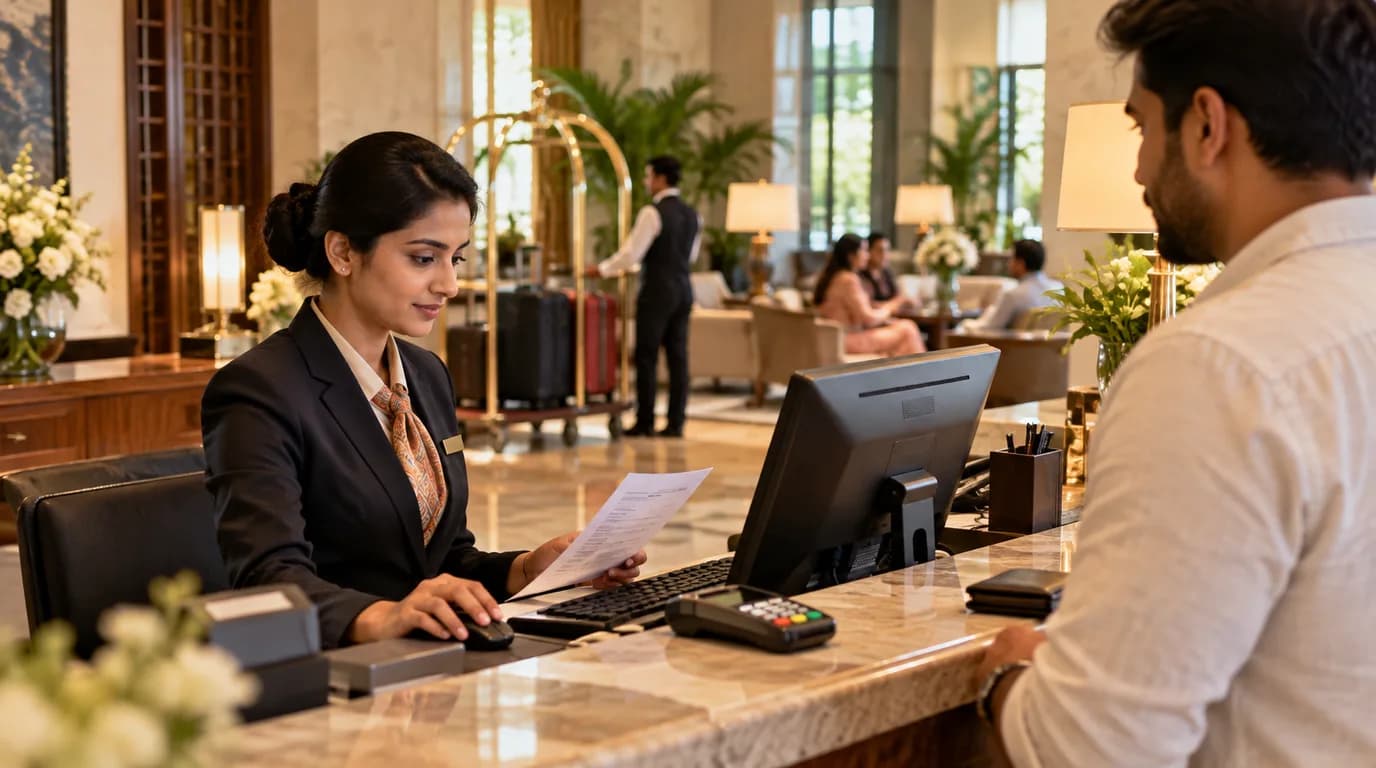
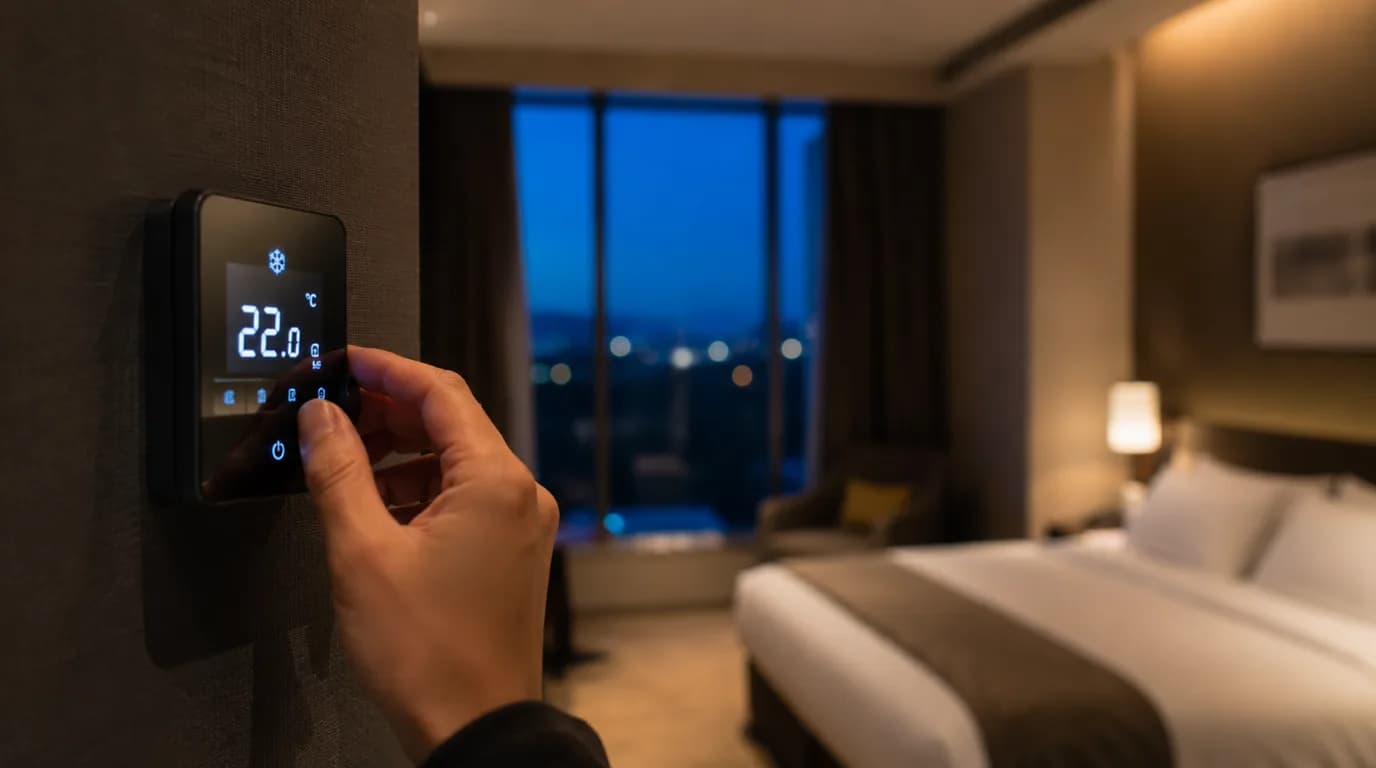
Here is an uncomfortable truth about your hotel: things will go wrong this week. A room won't be ready at 2 pm, an AC will fail at midnight, a wedding guest's special meal will be forgotten. In a 25–300 room property running Indian occupancies, perfection is not on the menu. What is on the menu is what happens in the ten minutes after the failure.
Hospitality has a strange property that operators consistently underuse: a problem handled brilliantly often creates more loyalty than a stay with no problem at all. The guest who watched your team own a mistake, fix it fast, and follow up personally has a story to tell — and stories drive repeat bookings and referrals. The guest whose complaint was met with shrugs has a different story, and they tell it on Booking.com.
Stop Depending on Who's on Shift
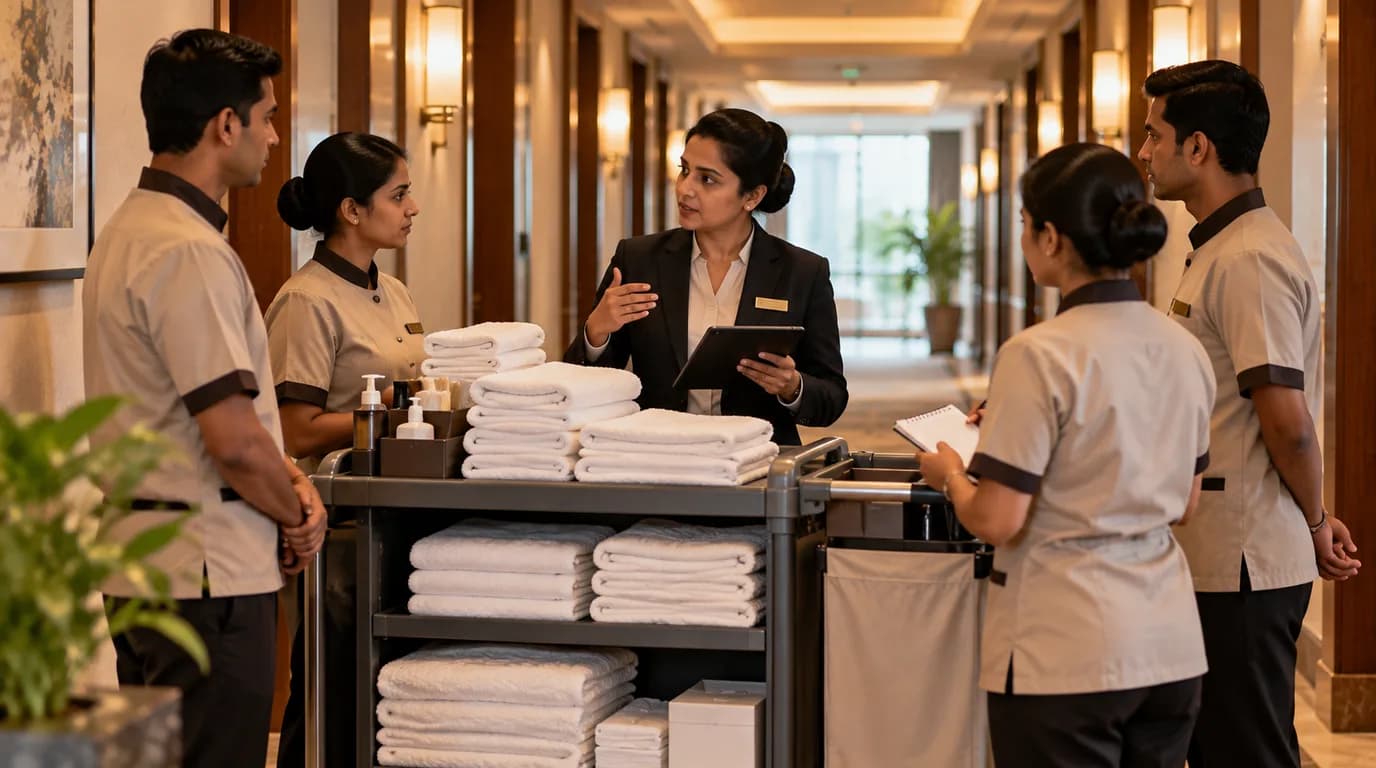
Walk through your last ten complaints and ask: did the outcome depend on the issue, or on which duty manager was on shift? In most hotels it is the latter. Your senior front office executive recovers guests beautifully; the weekend associate freezes, over-apologises, and promises nothing.
That variance is the core problem. Recovery cannot be a personality trait — it has to be a documented, trained, repeatable system, written into your hotel SOPs like any other process. The rest of this article is the architecture of that system.
Set Empowerment Limits So Staff Can Act Instantly
The single biggest recovery killer in Indian hotels is "let me check with my manager." The guest hears: nobody here can help me. Fix it by pre-authorising what each level can give without asking anyone:
- Front-line associate: a sincere apology plus gestures up to roughly ₹500–1,000 — F&B comp, late check-out, room amenity
- Duty manager/supervisor: room move or upgrade, partial F&B waiver, gestures up to a defined slab
- GM: room-night refunds, serious incidents, anything involving safety or repeated failure
Write the limits down, train them, and make one rule explicit: staff are never punished for using their limit in good faith. The first time someone is scolded for comping a dessert, your empowerment program is dead.
Give the Team a Simple Recovery Sequence
Fancy acronyms matter less than a sequence everyone follows the same way. Train five steps:
- Listen fully — no interrupting, no defending, let the guest finish
- Own it sincerely — "I'm sorry this happened, and I'll handle it personally," never "that's not my department"
- Fix the actual problem first — move the room, send the engineer, replace the dish; compensation comes after the fix, not instead of it
- Add a proportionate gesture — matched to the inconvenience, not a reflexive buffet coupon for everything
- Follow up the same day — a call or visit to confirm the guest is genuinely okay now
Role-play this monthly in briefings with real scenarios from your own complaint log. Ten minutes of practice beats a laminated poster.
Define Escalation Paths With Time Limits
Some complaints must travel upward — and the failure mode is that they travel slowly. Define triggers and clocks: any complaint involving safety, health, billing disputes above a threshold, or a visibly angry guest reaches the duty manager within 15 minutes and the GM within an hour. A guest who has to repeat their complaint to three people has now had two problems.
Log Every Complaint Like It's Data — Because It Is
Most hotels resolve complaints and forget them, which means they buy the same lesson repeatedly. Every complaint goes into a log: date, room, category, root cause, resolution, cost of recovery, staff involved. Then hold a 20-minute weekly pattern review with HODs and ask one question: what is repeating? Four lukewarm-breakfast complaints is not four incidents; it is one bain-marie thermostat or one staffing gap at 8:30 am. The complaint log is the cheapest consultant you will ever hire. Categories that repeat for a month get a named owner and a fix deadline.
Close the Loop — On Property and After
Recovery has two finish lines, and most teams stop at the first. On property, the follow-up visit or call confirms the fix landed. After departure, a short personal message — not a template blast — to any guest who experienced a failure tells them their feedback changed something. This is also your review-score defence: a guest who feels heard rarely escalates to a public rating, which is why disciplined recovery is one of the strongest levers behind improving review scores. The complaints you recover on property are the 2-star reviews you never receive.
Make It Stick: Recognition and Audit
Two final supports keep the system alive. First, celebrate great recoveries publicly — name the steward who turned an angry wedding guest into a thank-you note. What gets praised gets repeated. Second, audit monthly: pick five logged complaints at random and check whether the sequence, the empowerment limits, and the follow-up actually happened. Systems decay quietly; audits keep them honest.
Start This Month
- Write empowerment limits for all three levels and brief every shift this week.
- Train the five-step recovery sequence with two role-plays from real incidents.
- Open a complaint log — register or shared sheet — effective today.
- Schedule the weekly 20-minute pattern review with HODs.
- Start same-day follow-ups for every logged complaint, no exceptions.
A complaint is revenue standing at your desk deciding whether to come back. If your recovery currently depends on luck and individual talent, book a 30-minute strategy call and we will build a service-recovery system your whole team can run.
Owner's guides
Brand selection, pre-opening & feasibility playbooks — download instantly.
Frequently Asked Questions
Quick answers on guest complaint handling: a service-recovery system that protects revenue.
Let me check with my manager. The guest hears that nobody there can help them. The fix is pre-authorising what each level can give without asking anyone — for example a frontline associate offering a sincere apology plus gestures of roughly ₹500-1,000.
Five steps, followed the same way every time: listen fully without interrupting or defending, own it sincerely and personally rather than deflecting to another department, fix the actual problem, make a proportionate gesture, and follow up to confirm it landed.
With defined triggers and clocks, because the usual failure is that complaints travel upward too slowly. Anything involving safety, health, a billing dispute above a threshold, or a visibly angry guest should reach the duty manager within 15 minutes and the GM within an hour.
Because otherwise the hotel buys the same lesson repeatedly. Log date, room, category, root cause, resolution, cost of recovery and staff involved, then hold a 20-minute weekly pattern review with HODs asking one question: what is repeating?
Most teams stop at the first finish line. On property, a follow-up visit or call confirms the fix landed. After departure, a short personal message — not a template blast — to any guest who experienced a failure tells them their feedback changed something.

Written by
Rachit Goel
Founder & Principal Hospitality Consultant
Founder of The Hotel Adviser and a hospitality leader with 25+ years of hands-on experience across Marriott, Radisson, Ramada and Taj — spanning pre-opening, operations, revenue management and food & beverage.