
The short answer
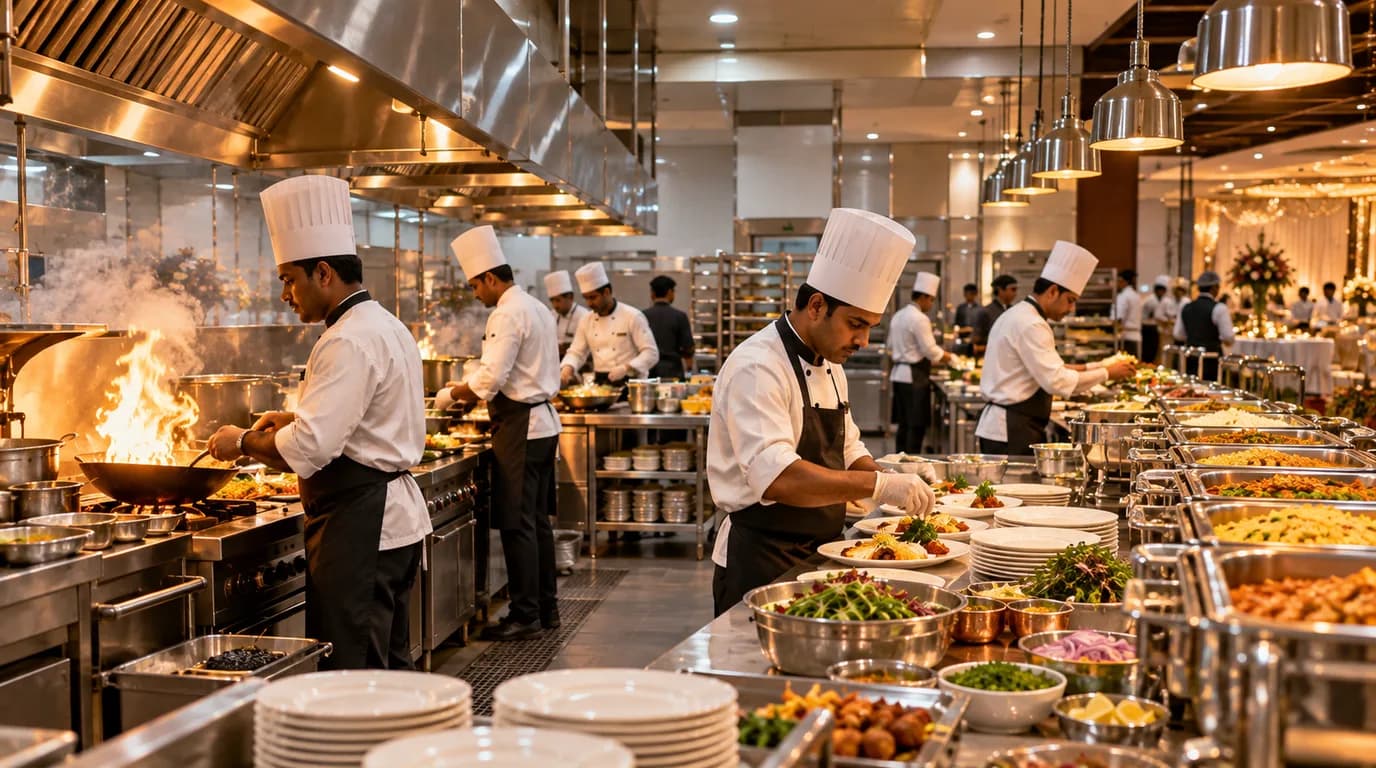
Hotel breakfast shapes guest reviews more than any other meal, yet it is usually bundled into the room rate and rarely costed properly. A profitable breakfast operation tracks cost per cover daily, batch-cooks to reduce buffet waste, staffs the 7:30 to 9:30 peak deliberately, and prices the breakfast inclusion in the room rate at its real cost.
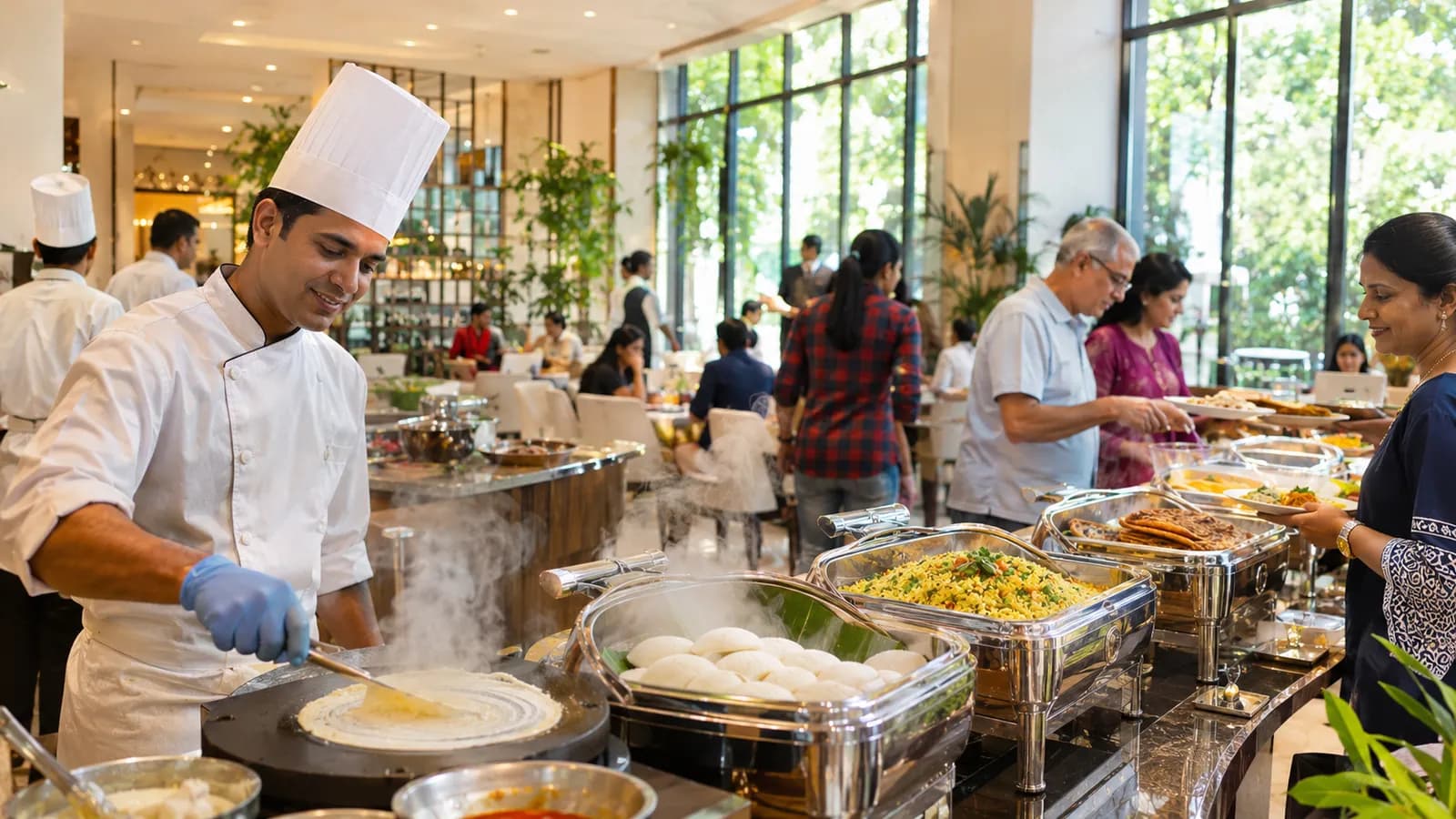
Breakfast is the strangest meal in a hotel's F&B operation. Almost every guest eats it, most of them have already paid for it inside the room rate, and it is often the last impression before they check out and write a review. Yet in many hotels it is the least managed meal of the day: costed loosely, staffed by whoever is on the morning roster, and laid out the same way it was three years ago.
That combination produces two quiet problems. The first is commercial: breakfast runs at a far thinner margin than anyone has measured, and the waste from an over-filled buffet goes into the bin every morning. The second is reputational: a tired spread, a cold dish or a queue at the egg station shows up in OTA reviews out of proportion to its revenue. Fixing both is less about spending more and more about running breakfast as a proper operation.
Why does breakfast matter more than its revenue suggests?
Look at your review comments for the last six months and count how often breakfast is mentioned. For most hotels it appears more often than the restaurant, the bar or room service combined. Guests on a two- or three-night stay notice repetition. Corporate guests notice speed. Families notice whether there is something their children will eat. Because breakfast is near-universal, small failures are seen by a large share of your guests, and small improvements are noticed just as widely.
What does breakfast actually cost you?
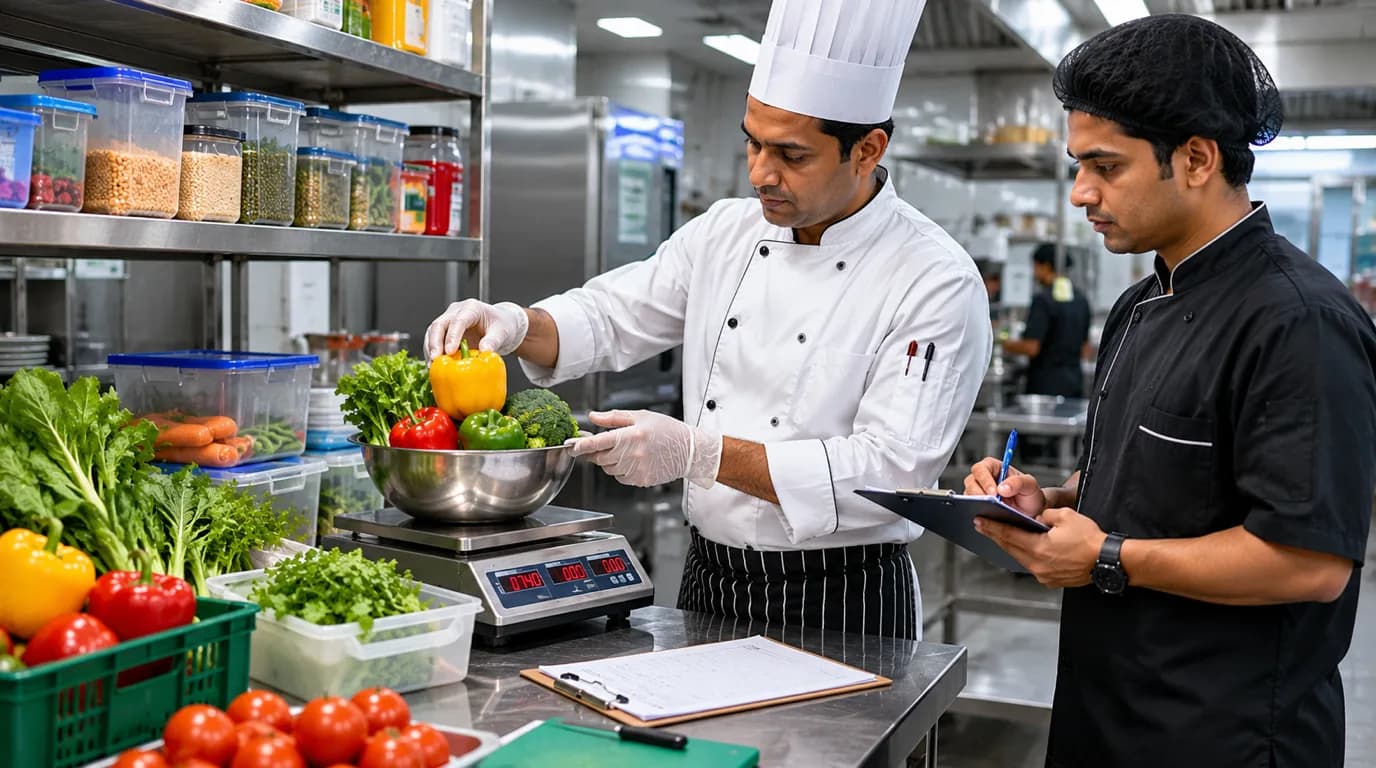
Most hotels can tell you their restaurant food cost percentage. Far fewer can tell you their breakfast cost per cover. Start there. Measure the food consumed at breakfast each day and divide it by covers served, separating in-house guests from walk-ins. Track it for a month. The number is usually higher than expected, because the buffet is replenished to look full until the last minute and much of the final hour's food is discarded. Our step-by-step approach to food cost control applies directly; breakfast simply needs its own line.
How do you cut buffet waste without a thin-looking spread?
The instinct is to keep every dish full so the buffet looks generous. The cost of that instinct is waste. Better practice is visible abundance with controlled volume.
- Batch cook. Smaller, more frequent batches, especially for hot items, so fewer trays sit and dry out.
- Smaller platters, replenished more often. A full small platter looks better than a half-empty large one.
- Live counters for high-cost items. Eggs, dosas, parathas and pancakes cooked to order cost less in waste and feel more premium.
- Forecast from the in-house count. Last night's occupancy, group arrivals and early departures tell you how many covers to prepare for.
- Taper in the last hour. Replenish selectively in the final 45 minutes rather than refilling everything.
- Record waste daily. What is not measured will not change.
Buffet, live counter or à la carte?
| Format | Best for | Strengths | Weaknesses |
|---|---|---|---|
| Full buffet | High occupancy, groups | Fast, low service labour | Highest waste, can feel repetitive |
| Compact buffet + live counters | Most midscale and upscale hotels | Balances speed and freshness | Needs skilled counter cooks |
| À la carte | Small or low-occupancy properties | Low waste, made to order | Slower, more service staff per cover |
| Room-delivered breakfast | Boutique and resort villas | Premium experience | Labour-intensive, cold-food risk |
How should you staff the morning peak?
Breakfast demand is not spread evenly. In most city hotels it compresses between roughly 7:30 and 9:30, with corporate guests early and leisure guests later. Staff to the curve, not to a flat roster. That means the strongest service staff on the floor during the peak, a dedicated person clearing and resetting tables, a supervisor watching the buffet levels and the egg-station queue, and a kitchen briefing the night before based on the in-house count and any groups.
Is your menu repetitive for multi-night guests?
A guest staying three nights should not see the identical hot line every morning. Build a menu cycle that rotates a few hot items and regional specialities across the week while keeping staples constant. Indian guests often value one or two regional dishes — poha, upma, idli-vada, chole bhature, aloo paratha — over a long list of continental items that are rarely eaten. Watch which dishes are consistently left over and remove them.
Are you pricing breakfast correctly in the room rate?
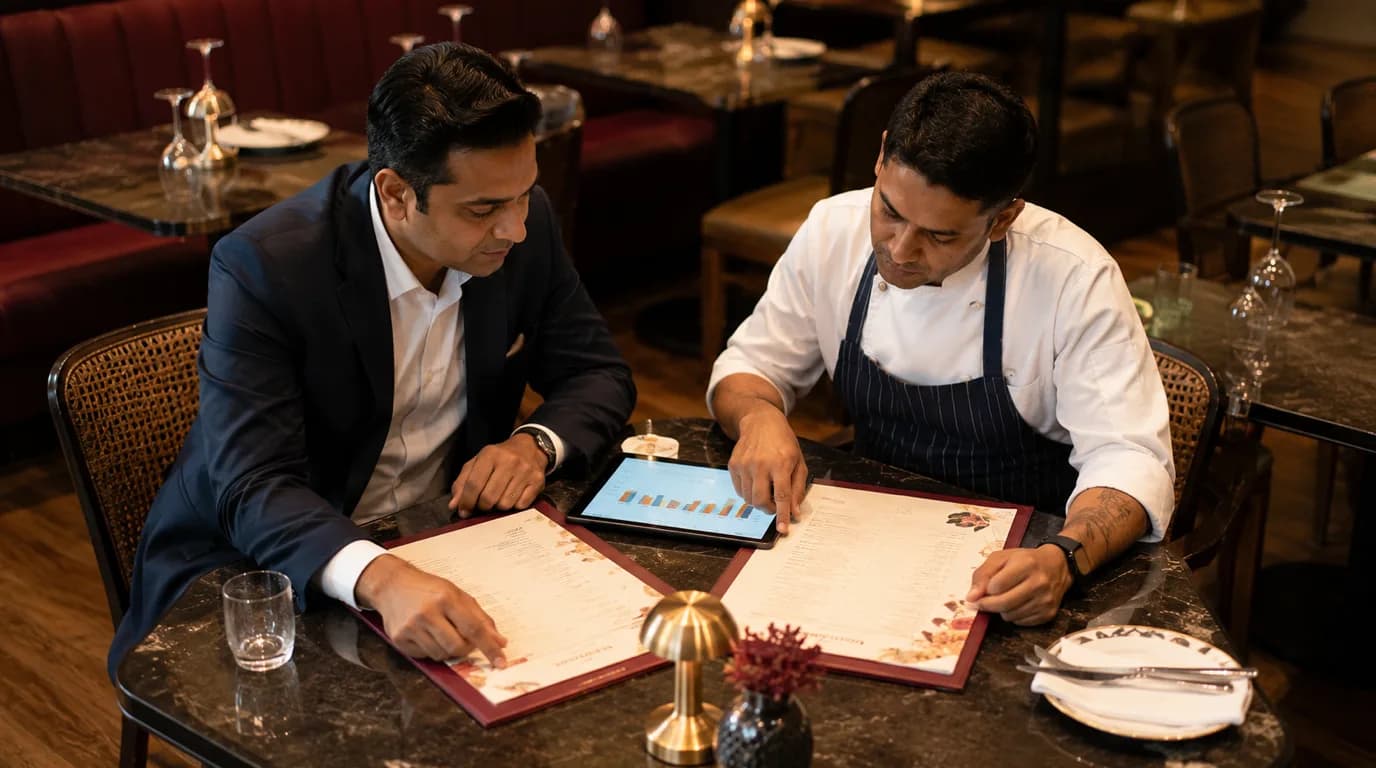
When breakfast is included, its cost is hidden inside the room rate. If you value it at a nominal figure that sits well below what it actually costs, you are discounting your rooms without realising it. Assign breakfast a realistic internal value based on your measured cost per cover plus labour, offer a room-only rate alongside the inclusive one, and review the gap. A breakfast-inclusive rate should be priced so that breakfast pays its way, not so that it quietly erodes ADR. Our F&B consultancy work often finds breakfast is the easiest margin to recover.
Should you sell breakfast to walk-in guests?
For city hotels near offices, hospitals or transit hubs, a walk-in breakfast can add useful covers to a meal you are already producing. Price it as a standalone product, not at the internal value you assign inside room rates, and watch capacity: walk-ins should fill seats in the shoulder hours, not compete with in-house guests at 8:30 on a weekday. Track walk-in covers separately so their contribution is visible.
Where to start this month
- Measure breakfast cost per cover daily for 30 days, in-house and walk-in separately.
- Read six months of review comments for every breakfast mention and list the patterns.
- Switch hot items to batch cooking and smaller platters.
- Move one or two high-cost items to a live counter.
- Roster to the 7:30–9:30 peak with a supervisor on the floor.
- Introduce a weekly menu cycle for hot and regional dishes.
- Re-price the breakfast inclusion in your rate plans at its real cost.
Breakfast is where a hotel can improve guest scores and margin at the same time, which is rare in F&B. If you want an independent review of your breakfast operation and costing, book a strategy call.
Owner's guides
Brand selection, pre-opening & feasibility playbooks — download instantly.
Frequently Asked Questions
Quick answers on hotel breakfast operations: the highest-satisfaction, lowest-margin meal.
Divide the total food cost consumed at breakfast — opening stock plus issues minus closing stock for the breakfast kitchen and buffet — by the number of breakfast covers served that day. Track it daily for at least a month, split between in-house guests and walk-ins, and compare it with the value you assign to breakfast inside your room rates.
Cook in smaller, more frequent batches instead of filling every chafing dish at opening, use smaller platters that are replenished more often, move high-cost items to live counters cooked to order, forecast covers from the previous night's in-house count, and record what is thrown away each day so the kitchen can adjust quantities.
It depends on your market and segment. In many Indian markets guests expect breakfast-inclusive rates, especially for leisure and corporate stays. The key is to price the inclusion at its real cost and offer a room-only rate as well, so guests who do not want breakfast are not subsidising those who do, and you can see breakfast's true contribution.
Buffets suit higher occupancy and predictable peaks because they serve many guests quickly with fewer staff. À la carte suits small properties or low occupancy where a full buffet would waste food. Many hotels use a hybrid: a compact buffet for cold items and staples, plus live counters or a short à la carte menu for eggs, dosas and hot specialities.
It is the last meal before many guests check out and write their review, and almost every guest experiences it. A cold dish, an empty tray, a long wait for eggs or a repetitive menu on a three-night stay are noticed and mentioned, which is why breakfast quality shows up in review comments far more than its share of revenue would suggest.

Written by
Rachit Goel
Founder & Principal Hospitality Consultant
Founder of The Hotel Adviser and a hospitality leader with 25+ years of hands-on experience across Marriott, Radisson, Ramada and Taj — spanning pre-opening, operations, revenue management and food & beverage.