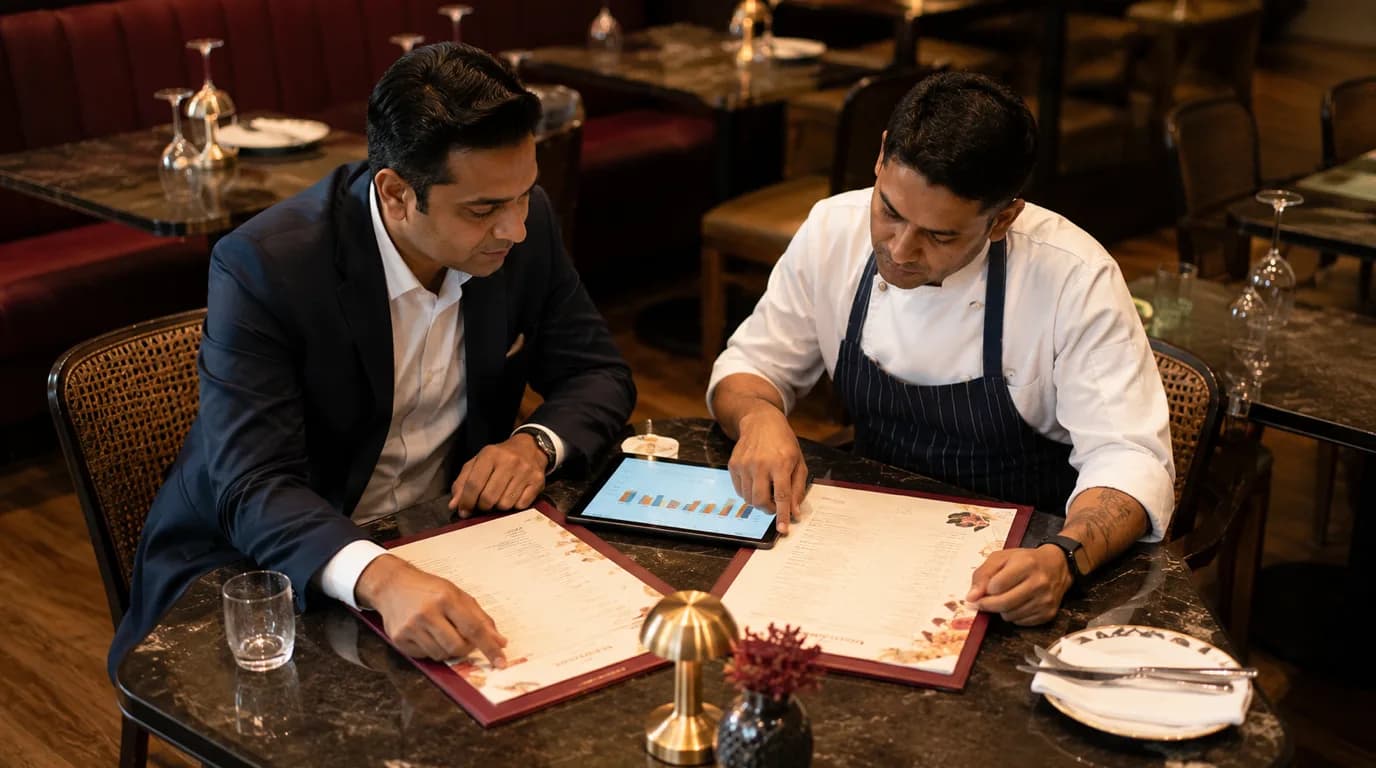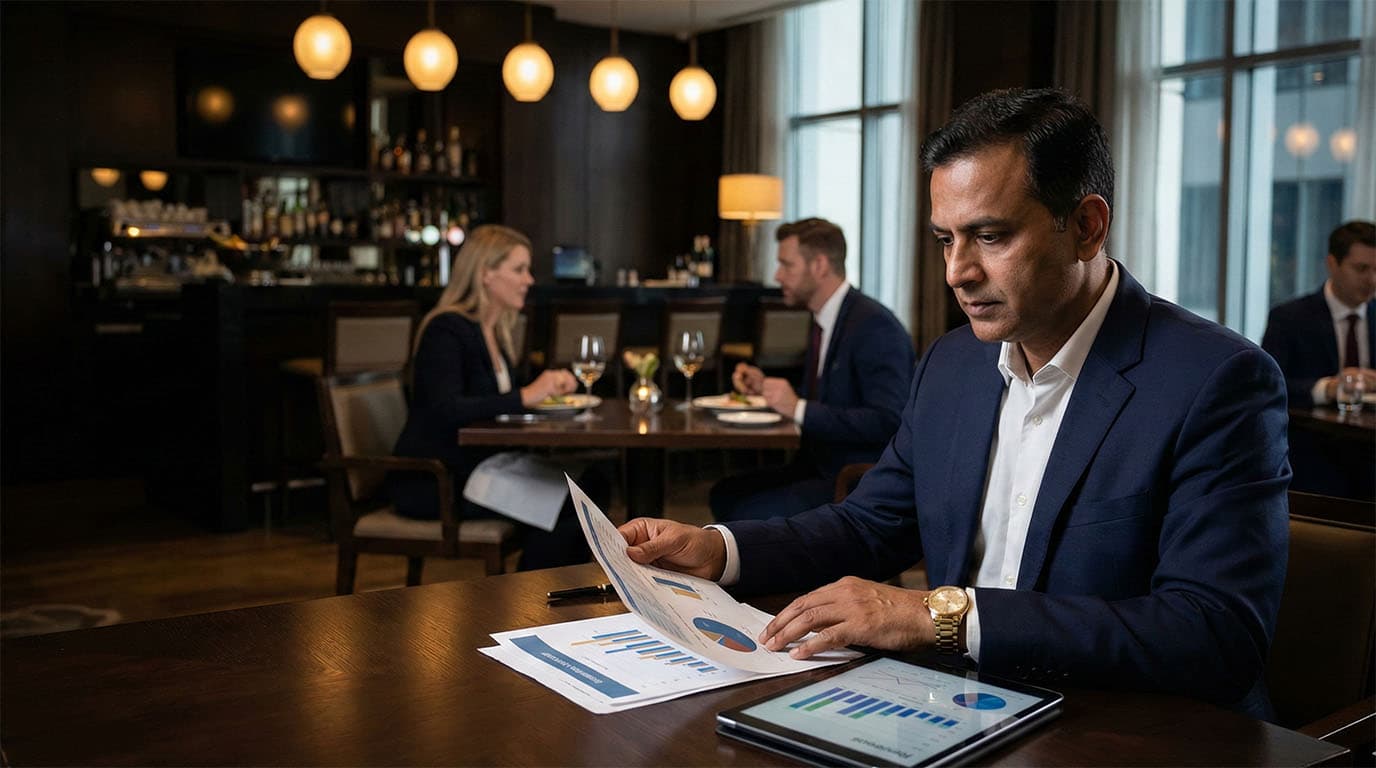

The bar should be the most profitable square metre in a hotel. Beverage carries far higher margins than food, the product doesn't spoil the way fresh ingredients do, and a well-run bar can subsidise the whole F&B department. And yet in many hotels the bar quietly underperforms — the profit that should be there leaks away through over-pouring, pilferage, weak pricing, and inventory nobody truly controls. The frustrating part is that almost every one of those leaks is controllable.
Beverage cost control is not about being stingy or treating your bartenders as suspects. It is about building the simple disciplines — standards, measurement, and accountability — that let a high-margin product actually deliver its margin. Get them right and the bar becomes the profit engine it should be. Leave them loose and the bar can turn a theoretical 75% margin into a real one that's far lower, without anyone quite noticing where it went.
Know your beverage cost percentage
You cannot control what you do not measure, and the foundational number is beverage cost as a percentage of beverage revenue. Calculate it honestly and regularly, and compare it to what it should be for your mix of drinks. A beverage cost sitting well above benchmark is a direct signal of leakage somewhere in the chain — pouring, pricing, or shrinkage — and the gap between your actual and your ideal cost is the profit you are currently losing. This is the same discipline that governs food cost control, applied to a product with even more margin to protect.
Standardise every pour
The largest and most common leak is the free pour. A bartender who pours by eye, generously, gives away a measurable slice of every drink — and across thousands of drinks that generosity is enormous. Standard recipes and measured pours (jiggers, pourers, or a POS-linked dispensing system) ensure every drink uses the intended quantity, so the cost you calculated is the cost you actually incur. This single discipline often recovers more margin than any other, and guests never notice a correctly measured drink.
Control the inventory tightly
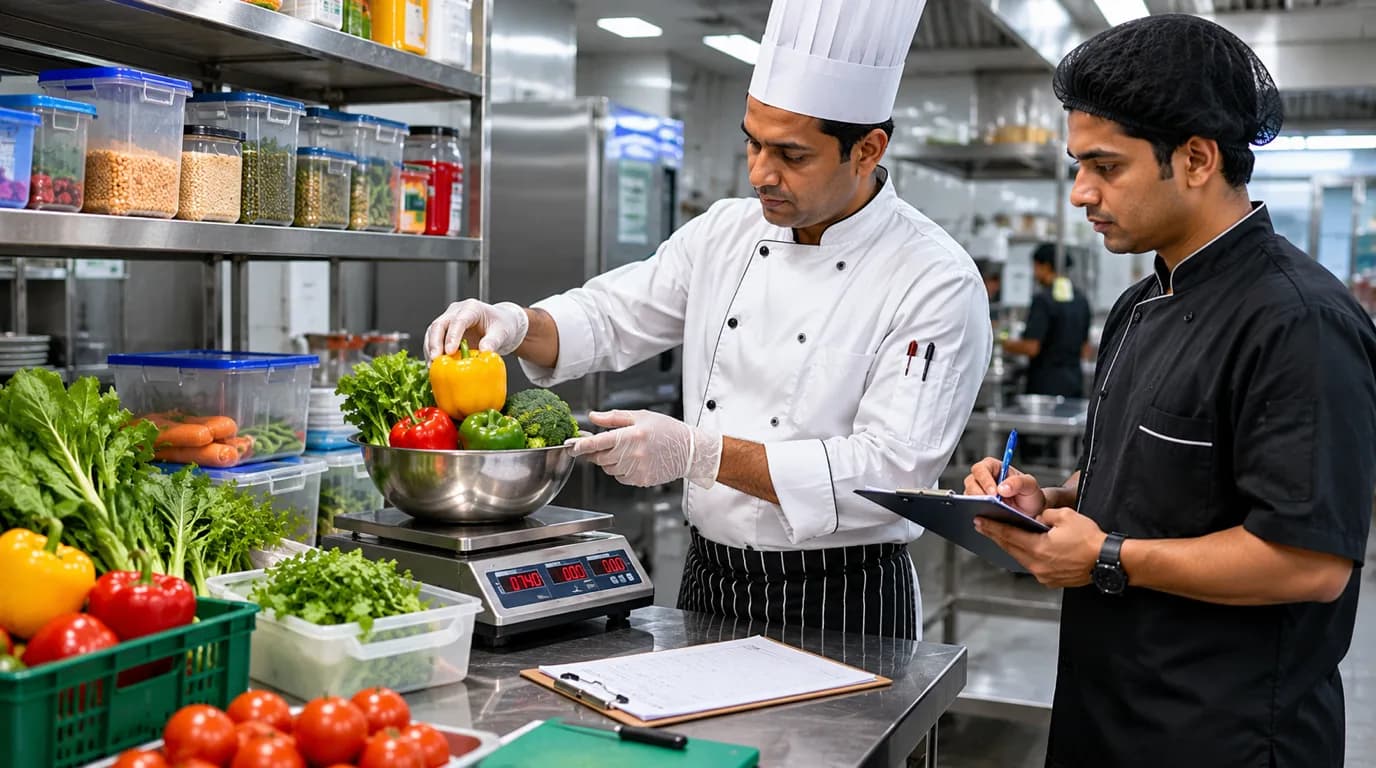
Beverage is uniquely vulnerable to shrinkage because it is valuable, portable, and easy to consume unrecorded. Tight par stocks, regular physical counts reconciled against sales, secure storage, and a clear issue-and-receipt discipline are what keep the bottle that left the store matching the drinks that were sold. Reconciling beverage inventory to POS sales regularly — and investigating the variance — is the check that catches both honest error and quiet pilferage before they become a habit.
Price with margin in mind
Bar pricing is often set by copying competitors or by gut feel, when it should be set from cost and margin. Price each drink to deliver its target margin, review the pricing as costs change, and pay attention to the mix — steering guests toward higher-margin cocktails and premium pours through the menu design and the team's recommendations. A bar that prices deliberately and sells its best-margin drinks well earns far more than one running on habit. The menu-engineering logic that works on food works just as powerfully on a drinks list.
Make the team part of the control
Controls only hold if the people behind the bar own them. A team that understands why measured pours, accurate recording, and tight inventory matter — and that is trusted and held accountable rather than merely policed — protects margin far better than any camera. Train bartenders in the standards, involve them in the stock counts, and make beverage cost a number the bar team sees and cares about. Accountability shared is leakage prevented.
Don't forget the events and the wastage
Two areas quietly erode bar profit beyond the daily service. Banquet and event bar operations, where drinks flow fast and recording is loose, are a classic leakage point that needs the same pour and inventory discipline as the main bar. And ordinary wastage — spillage, broken bottles, expired garnishes, over-prepared mixers — adds up if it's untracked. Bring both into your control routine, because they are exactly the places margin escapes when attention is elsewhere.
Where to start this month
To turn your bar into the profit engine it should be:
- Calculate beverage cost percentage honestly and compare it to your ideal.
- Standardise every pour with measured recipes and pourers or dispensing.
- Reconcile inventory to POS sales regularly and investigate the variance.
- Price each drink for its target margin and steer the mix toward high-margin sellers.
- Make the bar team own the controls, trained and accountable, not just watched.
- Extend the discipline to events and wastage, where profit quietly escapes.
The bar's high margins are only theoretical until the controls make them real. Build the disciplines and the most profitable square metre in your hotel finally earns like it. If you want help tightening your F&B profitability, book a strategy call.
Owner's guides
Brand selection, pre-opening & feasibility playbooks — download instantly.

Written by
Rachit Goel
Founder & Principal Hospitality Consultant
Founder of The Hotel Adviser and a hospitality leader with 25+ years of hands-on experience across Marriott, Radisson, Ramada and Taj — spanning pre-opening, operations, revenue management and food & beverage.