
Ask an owner planning a new hotel about their food and beverage, and the specialty restaurant almost always comes up first — the rooftop bar, the fine-dining concept, the signature cuisine that will "put the hotel on the map." It is the glamorous part of the plan, and the part owners are most emotionally attached to. Meanwhile the all-day dining outlet, the coffee shop that will actually feed most of their guests, is treated as a utility to be got out of the way.
This is exactly backwards for most hotels. The all-day diner is the workhorse that captures breakfast, feeds in-house guests around the clock, and produces steady, reliable covers. The specialty restaurant is a high-risk, high-glamour bet that can lose money quietly for years. Neither is wrong in principle — but choosing between them, or sequencing them, should be a cold commercial decision, not a matter of pride.
What all-day dining really does
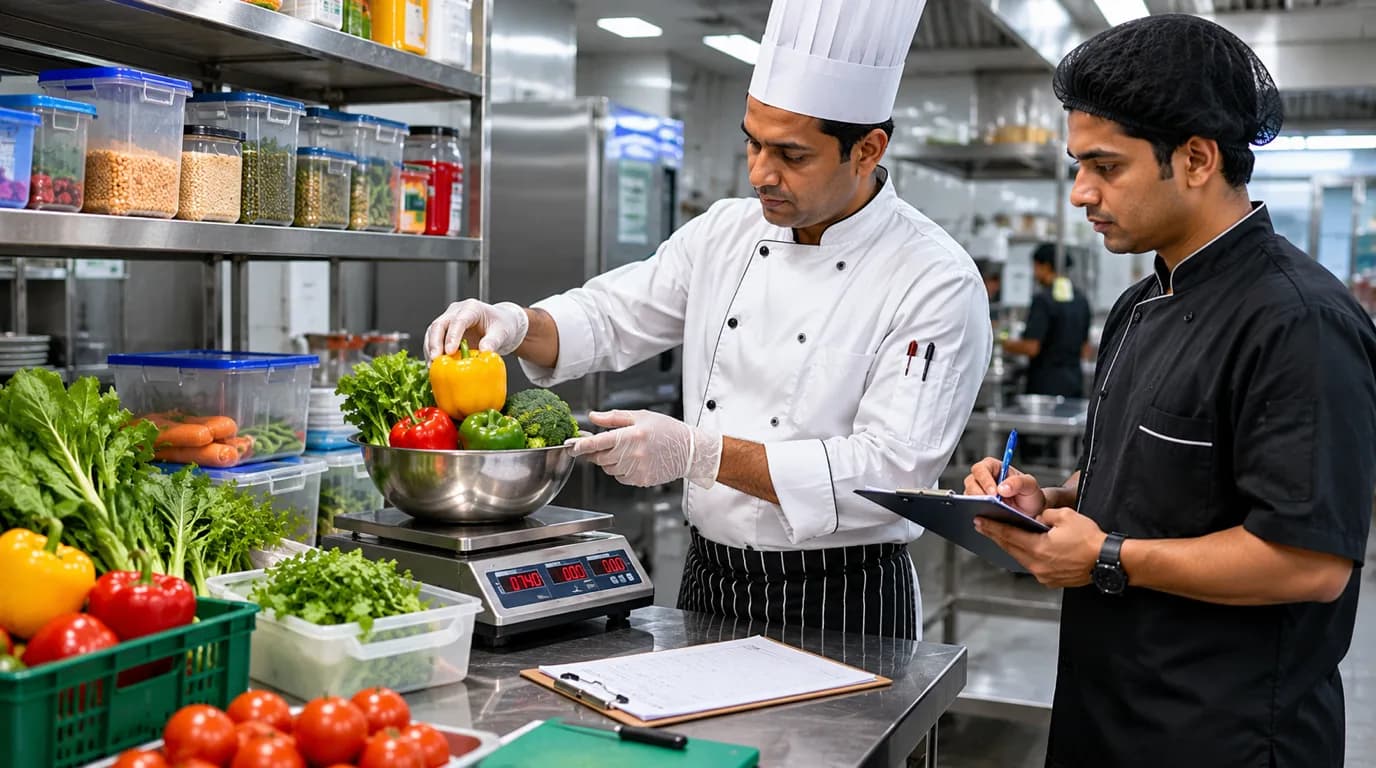
The all-day dining restaurant is the F&B backbone of almost every hotel. It captures breakfast — often the highest-occupancy, most captive meal you have — serves in-house guests who don't want to leave the building, handles the flexible hours that a specialty outlet can't, and produces dependable volume across the day. It is rarely glamorous and rarely the reason a hotel gets written about, but it is usually the outlet that actually makes money, because its demand is built into the hotel's own occupancy. Get the menu engineering right here and the all-day diner quietly carries the whole F&B department.
What a specialty restaurant really is
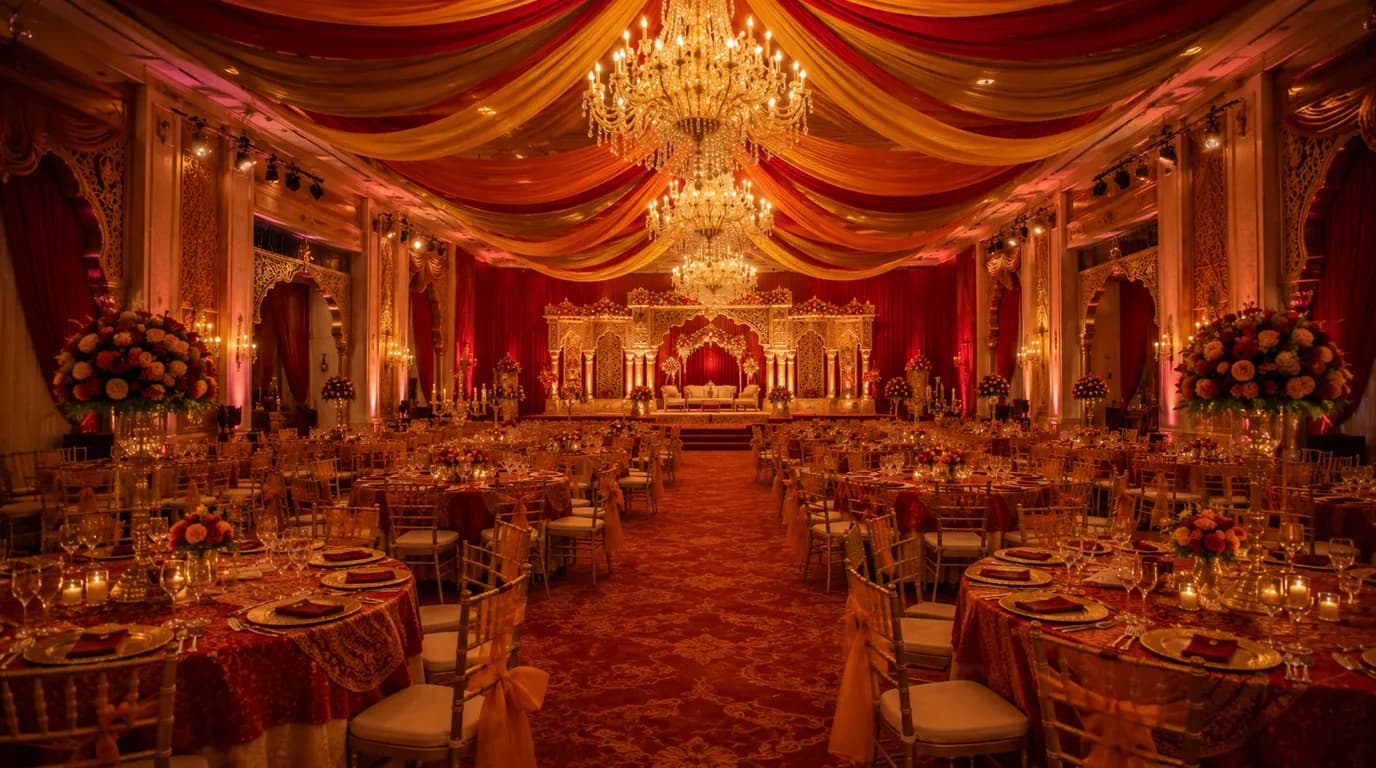
A specialty restaurant — fine dining, a distinctive cuisine, a destination bar — can do things the all-day diner cannot: build the hotel's image, draw outside guests who would never otherwise walk in, and command a much higher average cover. When it works, it is a genuine profit and marketing asset. But it is a bet. It needs a real market for its concept, a chef who can deliver it consistently, higher investment, more skilled labour, and enough outside footfall to fill the seats that in-house guests won't. In a market that doesn't support the concept, it becomes an expensive, half-empty room.
The economics are different
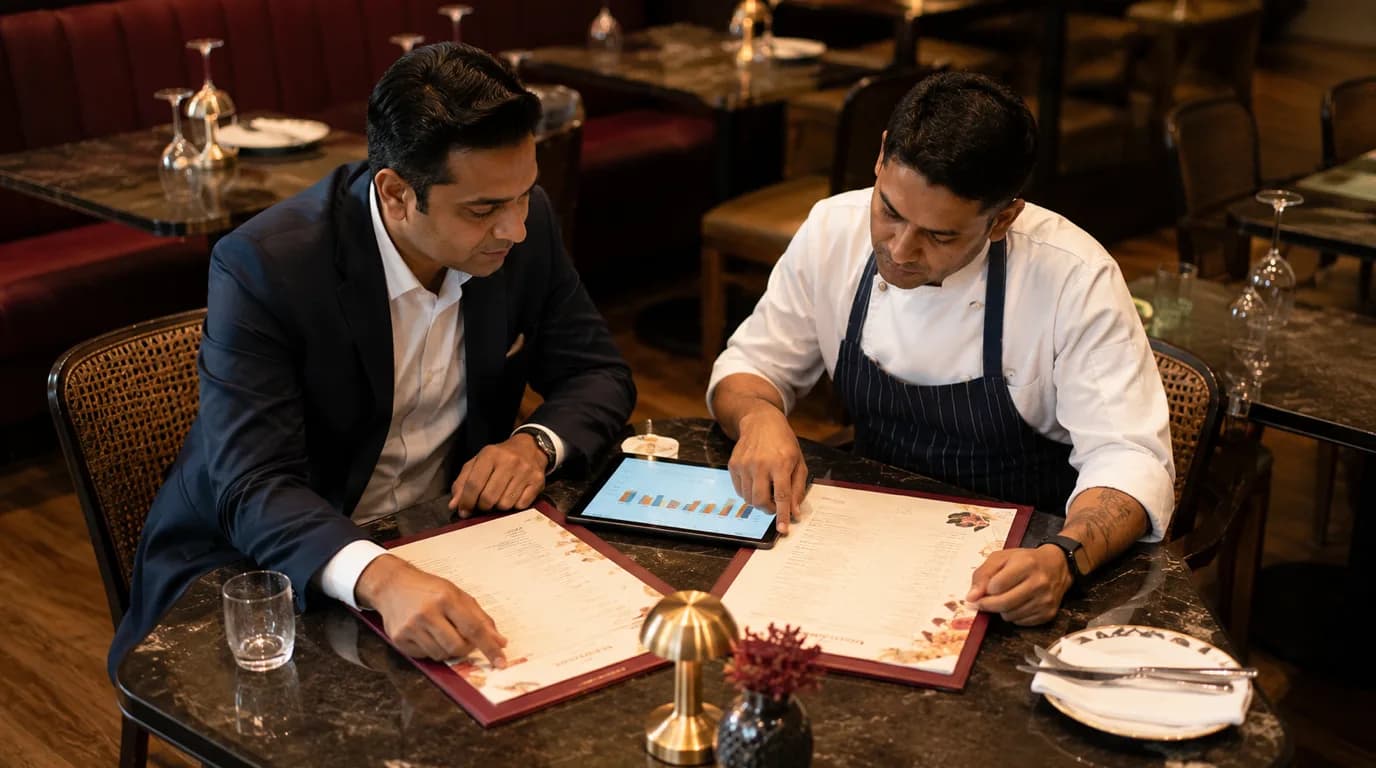
The two outlets earn money in fundamentally different ways. All-day dining wins on volume and captive demand — lots of covers at moderate spend, most of them guests already in the building. Specialty wins on average check and image — fewer covers at higher spend, many of them from outside. This means their break-even, staffing, and space needs are different, and judging a specialty restaurant by the all-day diner's occupancy (or vice versa) leads to bad decisions. The discipline of tracking average per cover alongside room ADR applies to both, but the targets are not the same.
Match the F&B to the hotel and the market
The right answer depends on your hotel's segment and its location. A business hotel in a secondary city may need one excellent all-day diner and nothing more — a specialty outlet would simply sit empty on weeknights. A resort or an upscale hotel in a strong leisure or metro market may genuinely support a specialty restaurant that draws outside diners and lifts the whole property. The error is copying a competitor's F&B mix without asking whether your market and your guest actually support it.
Sequence, don't gamble
For many hotels the smart path is not "either/or" but "first this, then maybe that." Open with a brilliant all-day diner that reliably captures your in-house demand and breakfast, establish the operation and the covers, and only add a specialty concept once you have evidence — from your own guests and your local market — that the demand for it is real. Sequencing turns a risky bet into an informed one, funded by an outlet that is already working.
Don't starve the workhorse to feed the racehorse
A common and costly mistake is pouring investment, the best chef, and management attention into the glamorous specialty outlet while the all-day diner — which feeds most of your guests and shapes most of your reviews — is left with tired food and thin staffing. Guests notice breakfast far more than they notice a restaurant they never visit. Fund the workhorse properly first; it is the outlet your reputation and your F&B profit actually depend on.
Where to start this month
To decide your F&B mix on evidence rather than instinct:
- Get the all-day diner right first — it captures breakfast and your captive in-house demand.
- Test the market for a specialty concept honestly before committing to it.
- Judge each outlet on its own economics — volume for all-day, average check for specialty.
- Match the mix to your segment and location, not to a competitor's.
- Sequence the specialty outlet once the all-day diner and the demand evidence are in place.
- Never starve the workhorse — fund the outlet that feeds most of your guests first.
Glamour is a poor guide to F&B profit. Feed your guests brilliantly through the all-day diner, and add specialty when the market proves it wants it. If you want help planning an F&B mix that makes money, book a strategy call.
Owner's guides
Brand selection, pre-opening & feasibility playbooks — download instantly.

Written by
Rachit Goel
Founder & Principal Hospitality Consultant
Founder of The Hotel Adviser and a hospitality leader with 25+ years of hands-on experience across Marriott, Radisson, Ramada and Taj — spanning pre-opening, operations, revenue management and food & beverage.