
In-room dining is one of the few hotel services guests genuinely remember — the late arrival who finally eats a hot meal, the family that orders in rather than dressing for the restaurant, the executive on a call who needs food without leaving the desk. It is also, in most hotels, quietly unprofitable. The trays travel long distances, the food arrives lukewarm, the labour is high, and the menu is an afterthought. Finance looks at the numbers and concludes IRD is a necessary loss.
It does not have to be. In-room dining loses money when it is run as a scaled-down copy of the restaurant, delivered slowly over long corridors. It makes money when it is designed as its own service — a tight menu, built for travel and speed, priced for the convenience it genuinely provides. The fix is operational, not aspirational, and most of it can be done without spending a rupee on the kitchen.
Understand why IRD loses money
Before fixing it, be honest about the leaks. In-room dining carries high labour per cover because a single order ties up an order-taker, a kitchen station, and a runner for one guest. Long delivery distances mean food degrades, leading to remakes and complaints. And an over-large menu forces the kitchen to hold inventory for dishes that sell twice a week. Each of these is a design flaw, not a law of nature — and each is fixable.
Build a menu for travel, not for the restaurant
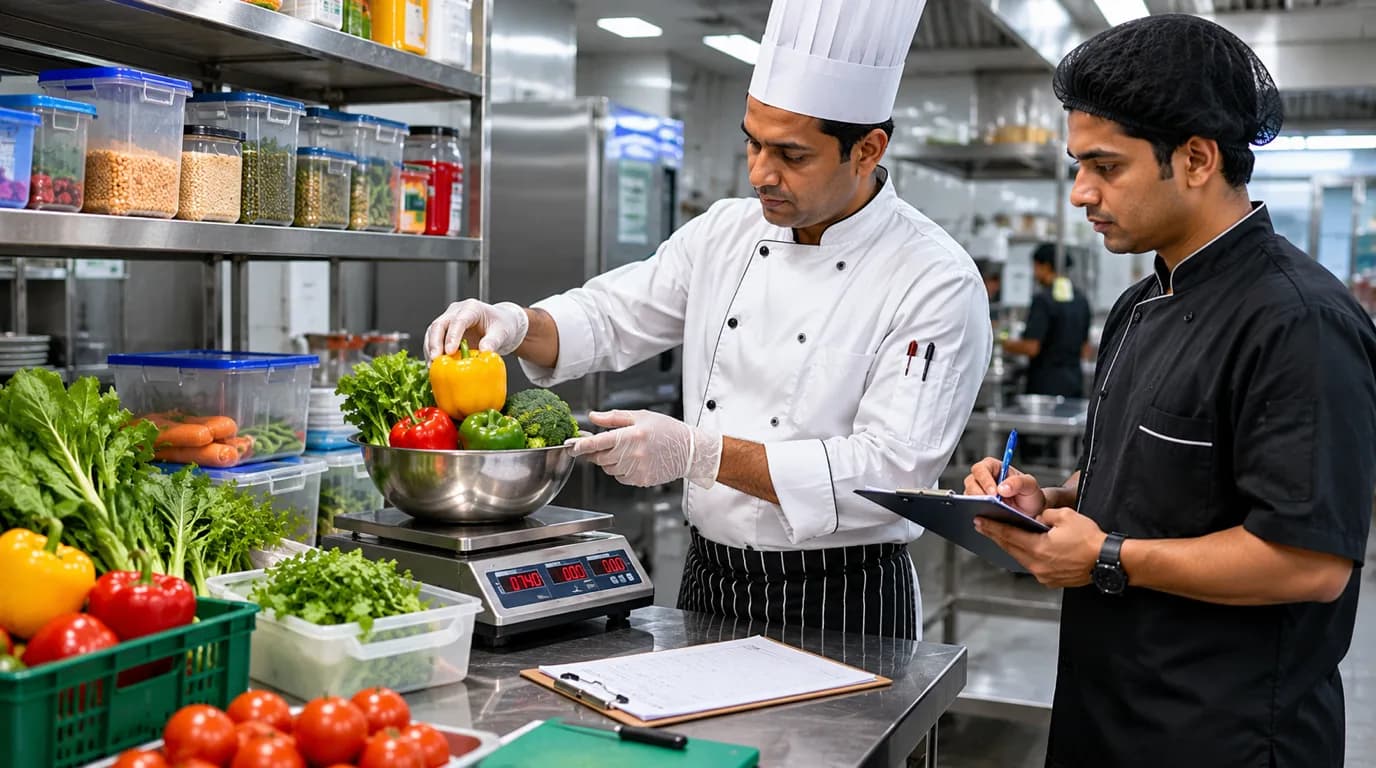
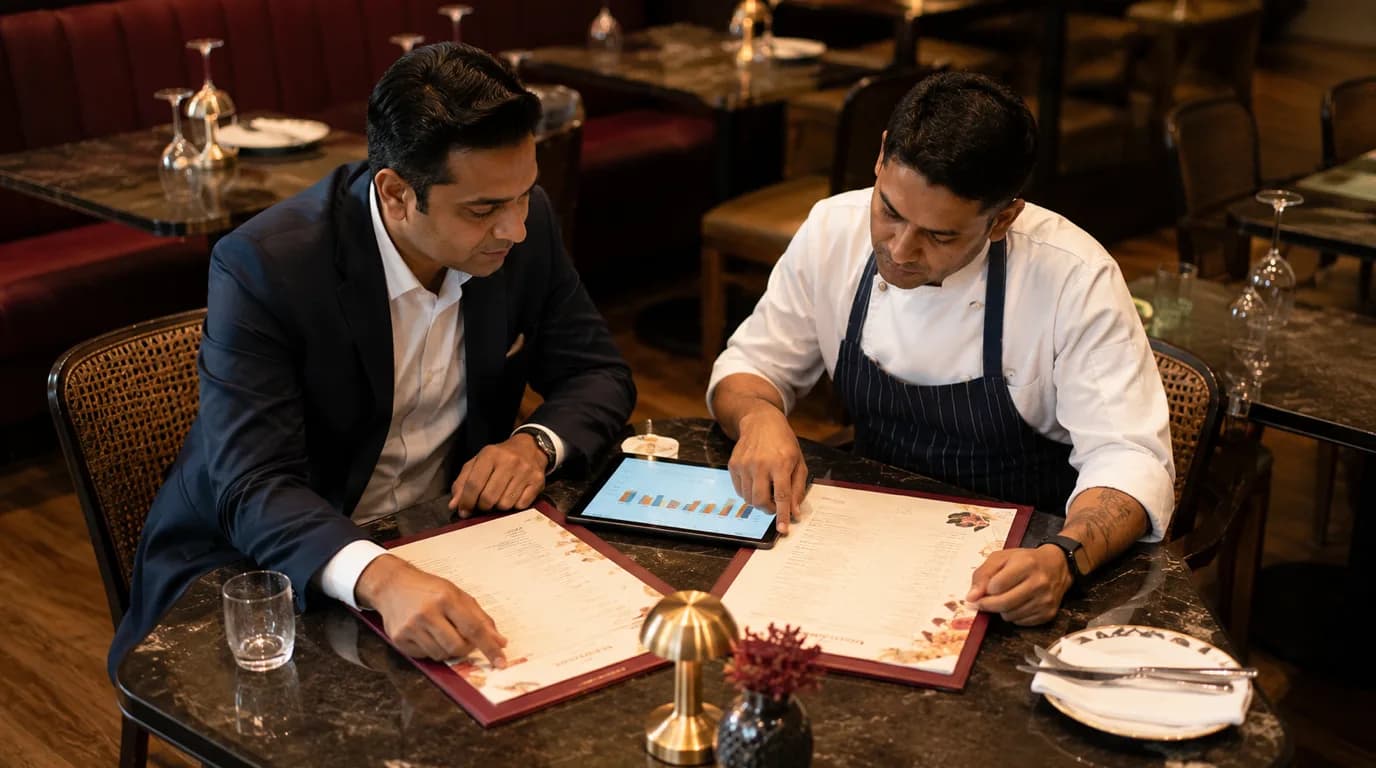
The single biggest lever is the menu. In-room dishes must survive a journey and a lift ride and still arrive appetising. That rules out anything that wilts, congeals, or loses its texture in ten minutes, and it favours robust, well-travelling food. A shorter, sharper IRD menu — the dishes that hold up, sell reliably, and use ingredients the kitchen already stocks — cuts waste, speeds the kitchen, and improves quality all at once. The discipline is the same one behind menu engineering: sell fewer things, and sell the ones that make money and travel well.
Price for convenience, transparently
Guests understand that room service costs more than the restaurant; they are paying for the convenience of not moving. The mistake is hiding that in confusing service charges and surprise minimums. Price the dishes to reflect the true cost of delivering them, state any service charge clearly, and let the value be obvious. A guest who feels fairly charged orders again; one who feels ambushed complains and never repeats.
Attack the delivery time
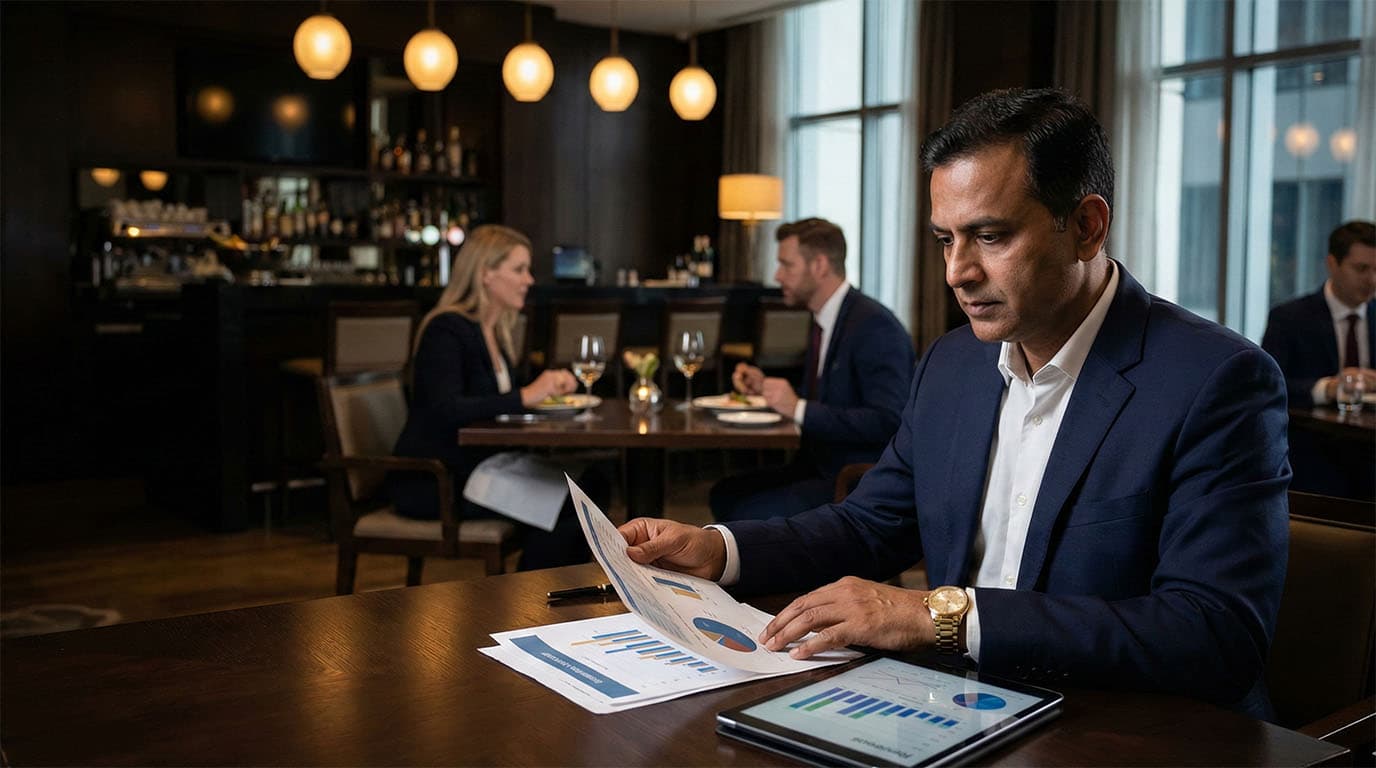
Speed is where IRD is won or lost. Cold food is the number-one in-room dining complaint, and every minute in transit degrades quality and invites a remake. Shorten the journey with satellite pantries on high-occupancy floors where the building allows, insulated equipment, and a dispatch discipline that treats a fifteen-minute promise as a promise. Track actual delivery times the way you track restaurant covers, because what you measure improves.
Use technology to cut the cost of the order
A large slice of IRD labour is spent taking and relaying orders. Digital menus — a QR code, an in-app order, an in-room tablet — let guests order directly into the kitchen, cutting errors and freeing staff to cook and deliver rather than transcribe. They also make it effortless to upsell a dessert or a drink at the point of ordering, lifting the average check without a single extra conversation.
Make every order earn more
Because each in-room order already carries a fixed delivery cost, the profit sits in the size of the check. A suggested pairing, a dessert prompt, a beverage add-on at the moment of ordering lifts the average cover with almost no extra labour. This is the same ancillary-revenue logic that makes total revenue management work — the marginal sale on an order you are already delivering is nearly all margin.
Where to start this month
To turn in-room dining from a loss into a contributor:
- Measure the truth — current IRD margin, average delivery time, and top complaints.
- Cut the menu to the dishes that travel well and sell reliably.
- Reprice for convenience clearly, with no hidden surprises.
- Shorten delivery with pantries, insulation, and a tracked time promise.
- Digitise ordering to cut labour and errors and enable upsells.
- Add one prompt — a dessert or beverage suggestion — to every order.
In-room dining will never match the restaurant's margins, but it should not bleed either. Designed as its own service, it becomes a small, steady contributor and a genuine mark of a well-run hotel. If you want help rebuilding your F&B for profit, book a strategy call.
Owner's guides
Brand selection, pre-opening & feasibility playbooks — download instantly.

Written by
Rachit Goel
Founder & Principal Hospitality Consultant
Founder of The Hotel Adviser and a hospitality leader with 25+ years of hands-on experience across Marriott, Radisson, Ramada and Taj — spanning pre-opening, operations, revenue management and food & beverage.