
The short answer
A hotel winter readiness checklist for North India should cover hot water capacity, heating and HVAC changeover, safe room heaters, indoor air quality during smog, outdoor F&B heating, fog-related late arrivals and stranded passengers, staff transport, and compliance with current GRAP orders in Delhi NCR. Finish the checks in November, before December occupancy and the coldest weeks arrive.

North Indian winters are short, but they are unforgiving for hotels. In the space of a few weeks, the property that handled October comfortably has to deliver hot showers at seven in the morning to a full house, warm rooms without the smell of a dusty heater, a pleasant lawn for a wedding at ten degrees, and a calm front desk at two in the morning when a fog-delayed flight finally lands. Guests are forgiving about many things. They are not forgiving about being cold.
In Delhi NCR and much of the Indo-Gangetic plain there is a second layer: smog. Air quality regularly reaches severe levels in November and December, the Graded Response Action Plan tightens restrictions stage by stage, and guests, particularly international and corporate travellers, arrive anxious about the air. A winter readiness plan has to deal with all of it, and the work has to be finished before December occupancy builds.
Can your hot water system handle the morning peak?
This is the single most important winter test. Hot water demand concentrates heavily between roughly 6:30 and 9:30 in the morning, and it rises sharply as incoming water temperature falls. A system that coped in October can run short in late December. Test it properly: simulate peak demand on a high-occupancy morning, measure the temperature at the furthest rooms on the top floors, and check recovery time.
Service the boilers or heat pumps, descale the calorifiers, check the insulation on hot water lines and the circulation pumps. These are exactly the tasks a good preventive maintenance programme schedules for October and November rather than leaving to the first complaint.
Is the HVAC ready for heating mode?
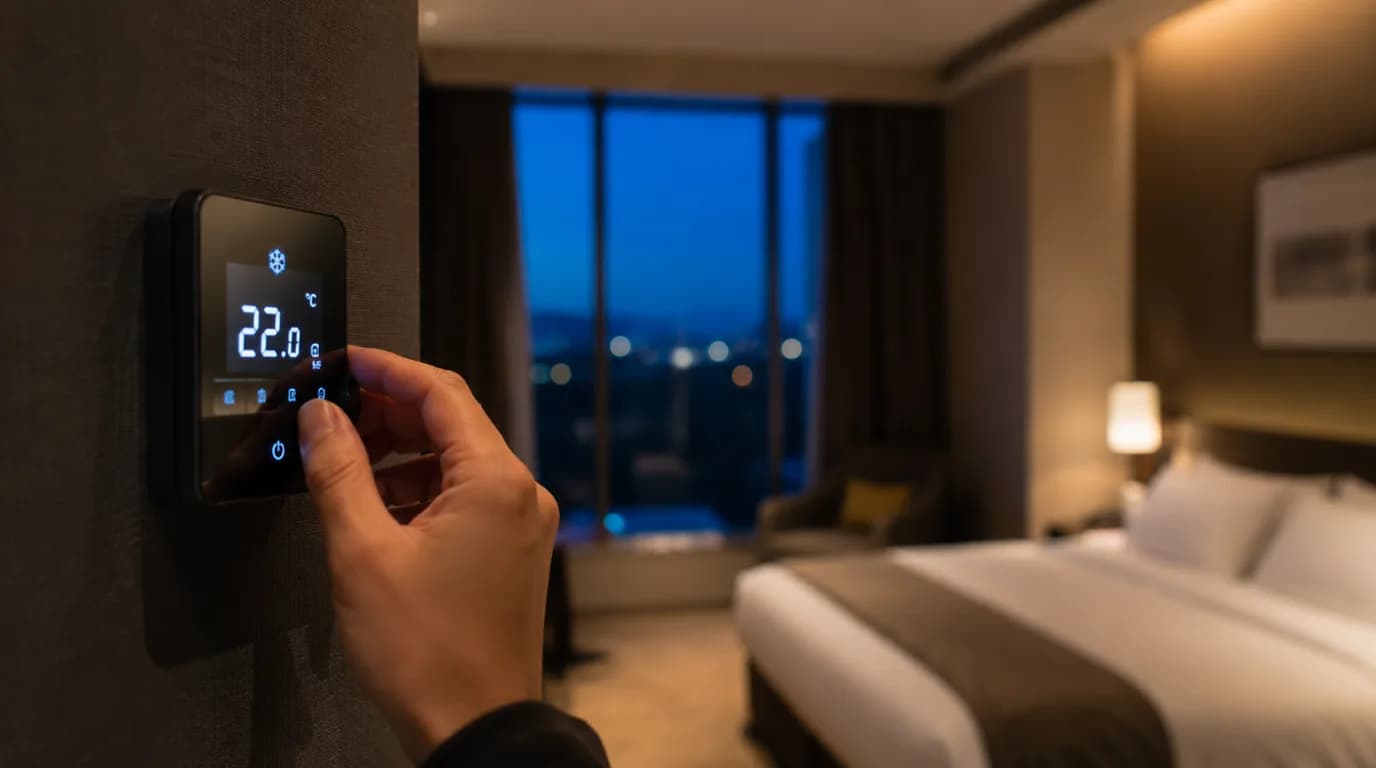
Switching a central system to heating after months of cooling exposes faults: valves that stick, thermostats that read wrong, units that blow cold air or smell of dust. Change over early, clean or replace filters, test every room's controls and log the faults. If rooms rely on portable heaters, check every one for damaged cables, faulty thermostats and tip-over cut-offs, keep spares, and train housekeeping to place them safely away from curtains and bedding.
How should you handle smog days?
Guests want reassurance that is honest. Keep windows and balcony doors sealed and their gaskets in good order, maintain fresh-air system filters, and consider air purifiers on request or as standard in higher categories. Brief the front office to answer questions calmly and to suggest indoor alternatives for gym and leisure on bad days. Do not make claims about indoor air quality that you cannot measure.
Check the current GRAP orders every season. Depending on the stage, restrictions can affect construction and renovation work and the use of diesel generators, with exemptions that vary. Know where your hotel stands before the order is issued, not after.
Fog: late arrivals and stranded passengers
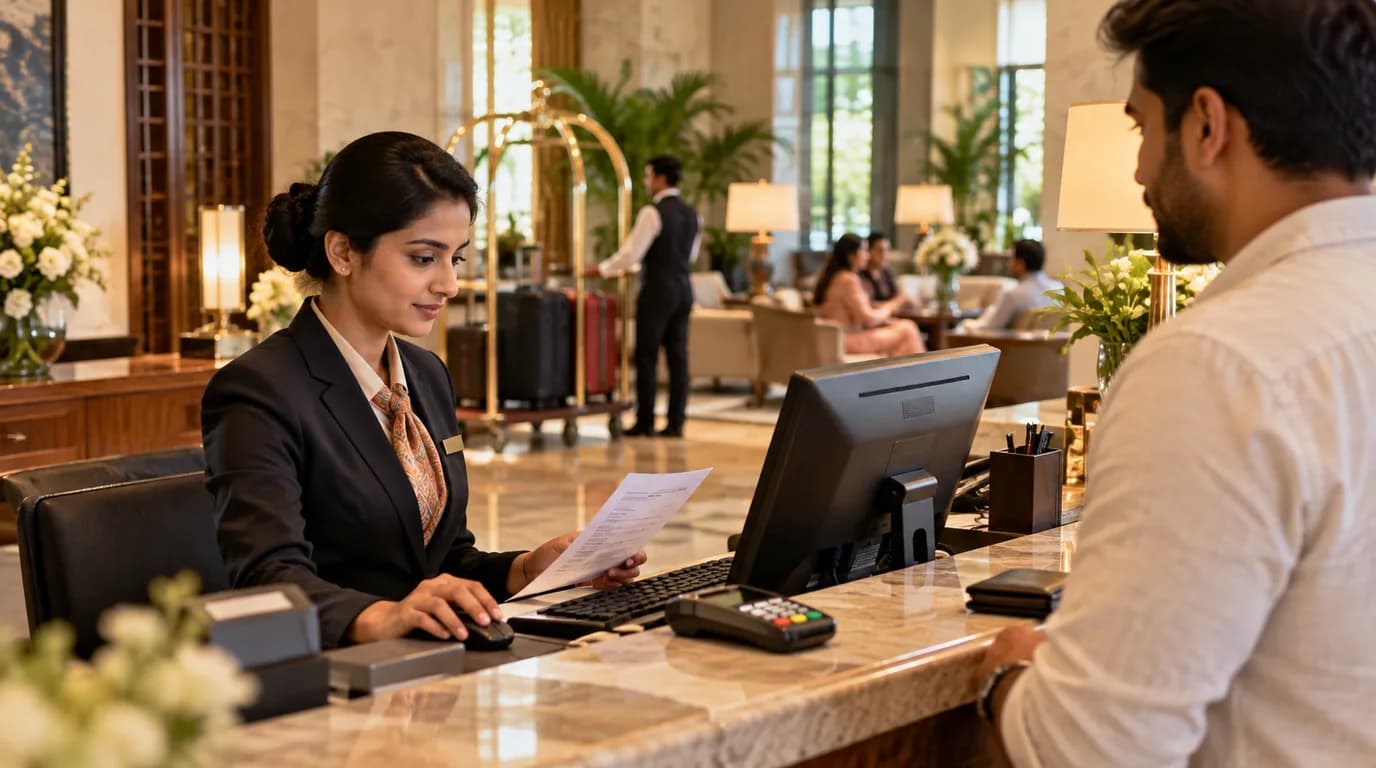
Dense fog disrupts flights at Delhi and other North Indian airports through December and January. For every hotel, that means late and unpredictable arrivals: keep the night team fully staffed, hold rooms for guaranteed late arrivals and keep a simple hot-food option available after the kitchen closes. For airport hotels, it is also an opportunity. Delayed and stranded passengers, and airline crews, need rooms at short notice. Hotels that agree distressed-inventory arrangements with airlines in advance, with clear rates and billing, capture much more of that demand than those who wait for the phone to ring.
Outdoor F&B and wedding lawns
The wedding season and the winter overlap. Lawns, terraces and rooftop restaurants need patio heaters, windbreaks and covered areas, and those heaters need safe gas storage, clear placement rules and a responsible person on each event. Check heater stock now, because rental availability tightens sharply in peak wedding weeks.
Staff, transport and the early shift
Cold, dark mornings and fog make commuting harder. Breakfast and housekeeping shifts start before first light, and late arrivals cascade through the day. Review staff transport for early and late shifts, check uniforms are adequate for outdoor roles such as doormen and valets, and plan for absenteeism during the coldest weeks.
Brief the front office and housekeeping
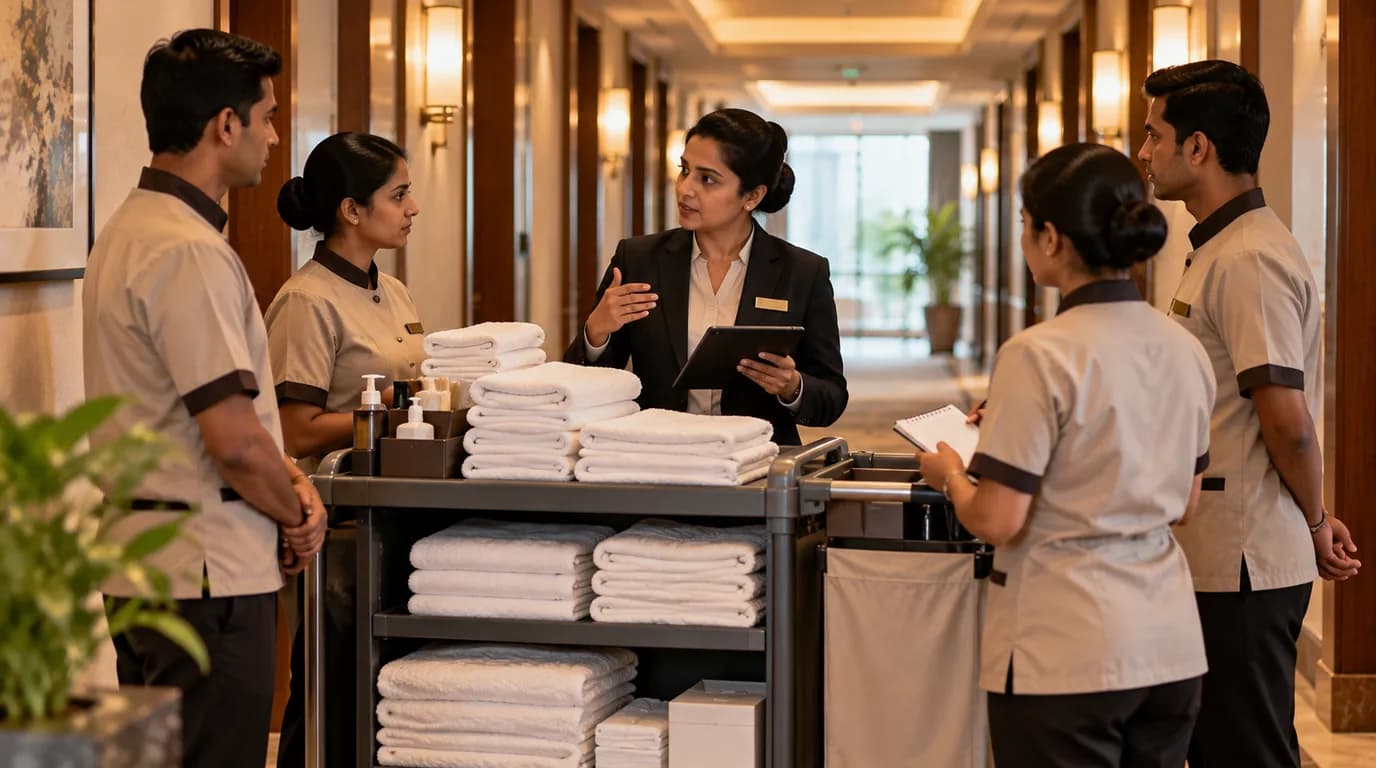
Most winter problems are first noticed by a guest and reported to the front desk, so that team needs a short winter briefing. Tell them which rooms have known heating issues, how long hot water takes to reach the upper floors, where spare heaters and extra blankets are kept, and who in engineering is on call overnight. Housekeeping should check heating and hot water in every room during turndown and log faults the same day, rather than waiting for a complaint. A simple winter amenity, such as an extra blanket in the wardrobe or a hot drink on arrival on cold nights, costs little and is noticed in reviews.
Budget the energy honestly
Heating, hot water and longer lighting hours raise energy consumption in winter. Build the seasonal increase into the monthly forecast rather than treating it as a surprise variance, and look for quick wins: hot water setpoints, heat pump scheduling, and switching off heating in unsold rooms. Our guide to reducing hotel energy costs covers the larger levers.
| Area | Check before December | Owner |
|---|---|---|
| Hot water | Peak-load test, boiler or heat pump service, insulation | Engineering |
| Heating | HVAC changeover, filters, room heater safety and spares | Engineering, Housekeeping |
| Air quality | Window seals, filters, purifiers, guest communication | Engineering, Front Office |
| GRAP | Current orders on DG use and works | GM, Engineering |
| Fog | Late-arrival staffing, airline distressed-inventory terms | Front Office, Sales |
| Outdoor F&B | Heaters, gas safety, windbreaks | F&B, Banquets |
| Staff | Early-shift transport, winter uniforms | HR |
Where to start this month
To be winter-ready by December:
- Run a peak-load hot water test on a full-house morning.
- Change the HVAC to heating mode now and log every room fault.
- Inspect every portable heater and stock spares.
- Check current GRAP orders and their effect on DG sets and works.
- Agree distressed-inventory terms with airlines if you are near an airport.
- Secure outdoor heaters for wedding and terrace events.
- Review staff transport for early and late shifts.
Winter complaints are among the most predictable a hotel receives, which makes them among the most avoidable. If you want help building a seasonal operations plan for your property, book a strategy call.
Owner's guides
Brand selection, pre-opening & feasibility playbooks — download instantly.
Frequently Asked Questions
Quick answers on winter readiness for hotels in north india: fog, smog and the cold-weather checklist.
Start with hot water capacity at peak morning demand, the heating mode of the HVAC system, filters, room heater safety and stock, and any outdoor heating for terraces and lawns. Then plan for smog days, fog-related flight delays and late arrivals, staff transport on cold early mornings, and the energy budget for the season.
The Graded Response Action Plan imposes stage-wise restrictions in Delhi NCR as air quality worsens, which can include limits on construction activity and on diesel generator use in some stages. The rules and exemptions change, so hotels should check the current GRAP orders each season and confirm whether their DG sets, renovation work and outdoor activities are affected.
Many hotels in Delhi NCR now offer air purifiers on request or as standard in higher room categories. If you do, maintain the filters, explain the purifier to guests, and keep windows and doors sealed well. Avoid claims about air quality you cannot measure or guarantee.
Dense winter fog regularly disrupts flights at Delhi and other North Indian airports, which creates short-notice demand from delayed and stranded passengers and from airline crew. Airport hotels that agree distressed-inventory rates with airlines in advance, and keep the front office ready for late-night arrivals, capture much more of it.
Hot water that runs lukewarm during the morning peak is among the most common, along with cold rooms and noisy or smelly heaters. These are almost always capacity or maintenance problems that can be found and fixed in November with a proper peak-load test.

Written by
Rachit Goel
Founder & Principal Hospitality Consultant
Founder of The Hotel Adviser and a hospitality leader with 25+ years of hands-on experience across Marriott, Radisson, Ramada and Taj — spanning pre-opening, operations, revenue management and food & beverage.