
The short answer
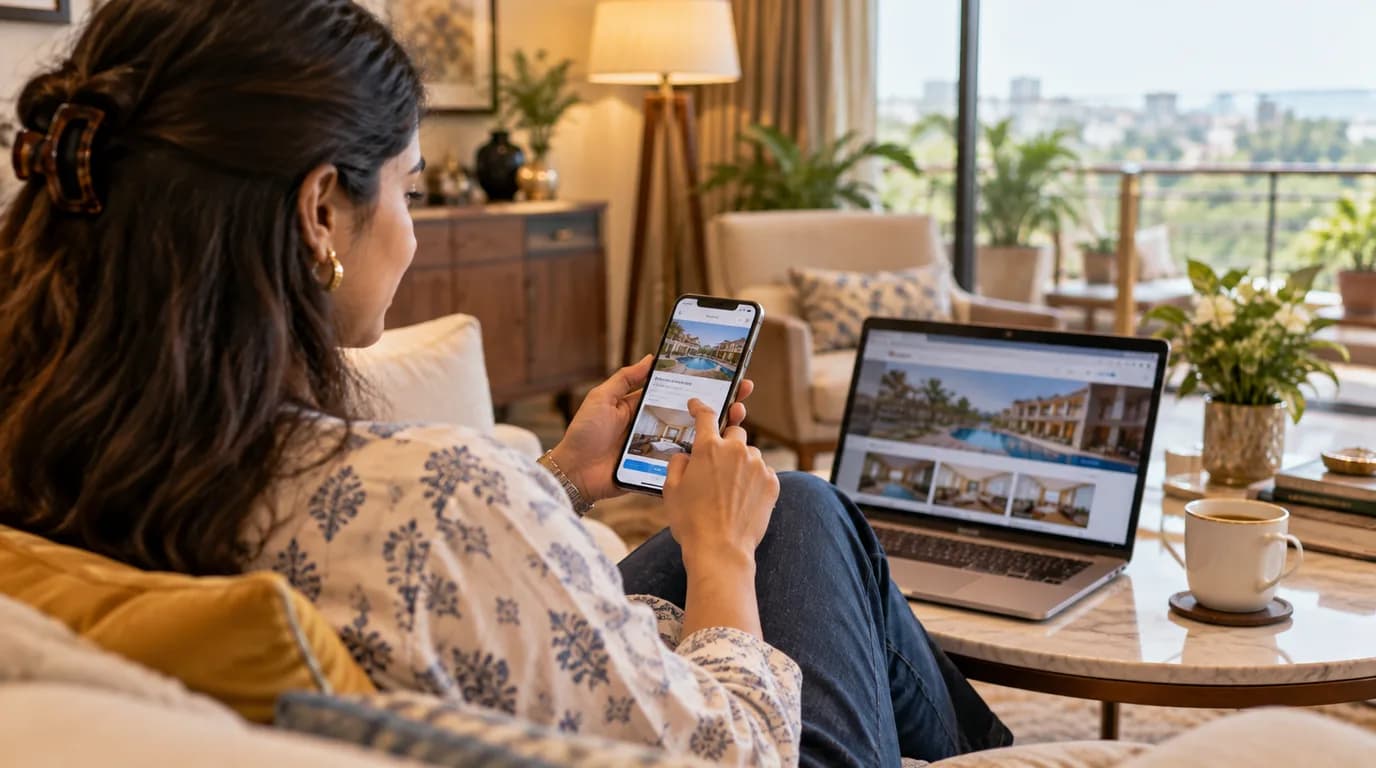
A hotel's website is the only sales channel it fully owns: every booking through it arrives with no 15–25% commission, the guest's real email address, and a relationship the hotel controls rather than rents. Most Indian hotel websites behave like glossy brochures that quietly send the guest back to Booking.com to reserve. The gap between a brochure and a booking engine is not budget but a handful of deliberate choices about speed, trust and friction.
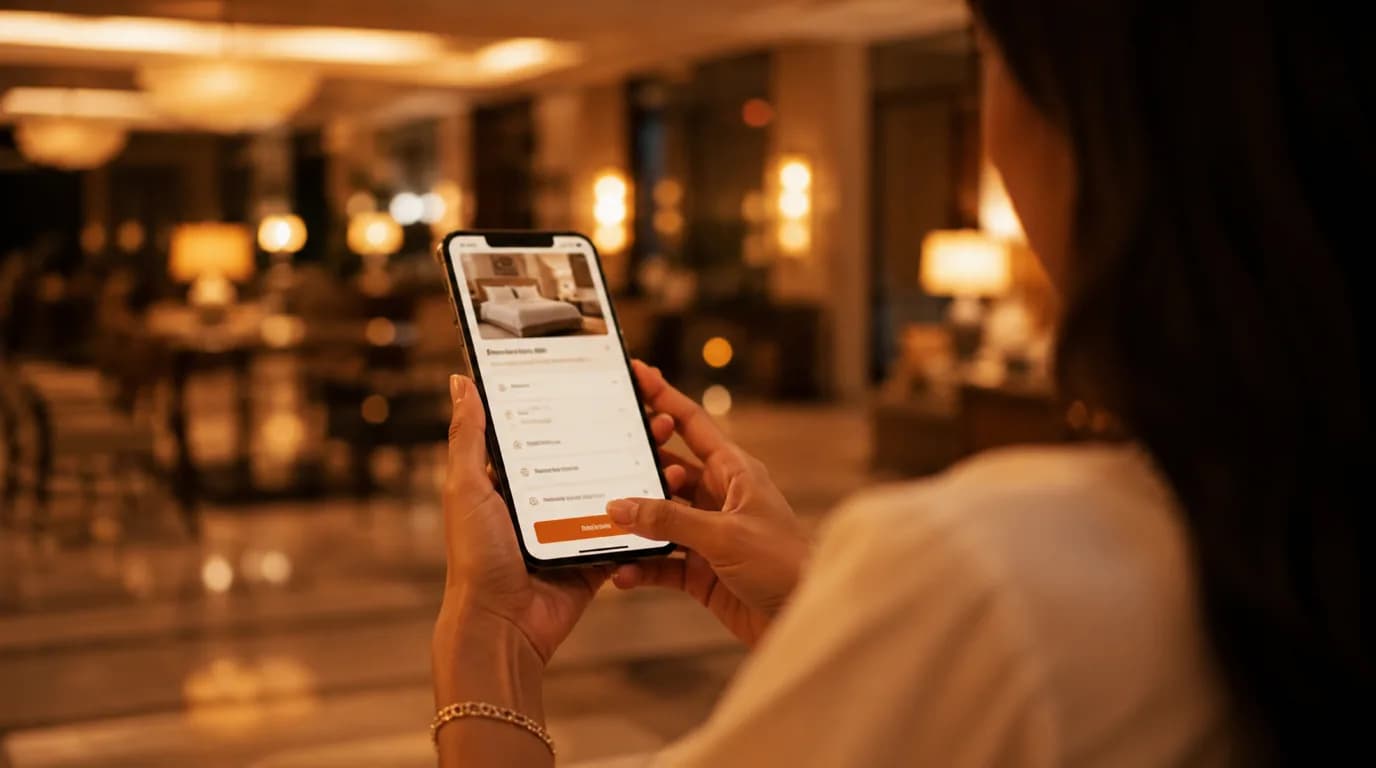
Your website is the only sales channel you fully own. Every booking that comes through it arrives without a 15–25% commission attached, with the guest's real email address, and with a relationship you control rather than rent. And yet most hotel websites in India behave like glossy brochures — beautiful to look at, and quietly effective at sending the guest back to Booking.com to actually reserve a room.
The gap between a brochure and a booking engine is not budget; it is a handful of deliberate choices about speed, trust, and friction. Below are twelve of them. None require a redesign. Most can be fixed in an afternoon, and together they are the difference between a site that informs and a site that converts.
Make it fast, especially on a phone
More than two-thirds of hotel traffic in India is mobile, often on patchy networks. If your homepage takes more than three seconds to load, a measurable share of guests leave before they see a single room. Compress your images, stop auto-playing heavy video, and test on a real mid-range phone on mobile data — not on office wifi. Speed is the cheapest conversion upgrade there is.
Put the booking widget where the eye lands
The single most common mistake is hiding the "Check availability" box below the fold or behind a menu. It should be visible the instant the page loads, on every device, with the dates and guest count ready to edit. Every extra tap between arrival and the calendar leaks bookings.
Show the price honestly, and beat the OTA on it
Guests price-check. If your own site shows a higher rate than the OTA — or hides taxes until the last screen — you have handed the sale away. Guarantee the best rate on your direct channel and say so plainly, and make sure a rate-parity discipline actually holds across your listings, which is worth understanding properly in our rate-parity explainer.
Give a reason to book direct, not just an instruction
"Book direct" is not an offer. A free upgrade when available, early check-in, a complimentary breakfast, or a small loyalty credit is. Guests will trade a click for a tangible perk they cannot get on an OTA. Make the perk specific and put it right next to the booking button.
Earn trust in the first screen
Real photos, a visible phone number, a physical address, and genuine review scores do more for conversion than any amount of marketing copy. Guests are deciding whether you are legitimate before they decide whether to book. Show recent guest ratings and a couple of real quotes near the booking flow.
Reduce the booking form to the essentials
Every field you demand is a reason to abandon. Name, dates, contact, payment — that is the core. Ask for the guest's dietary preferences and arrival time after the booking is confirmed, not before. A booking engine that asks for a full address and GST number up front loses leisure guests who just want a room for the weekend.
Design for the questions guests actually have
Parking, check-in time, cancellation policy, distance from the station or airport, whether the wedding hall is free on a given date. Answer these where the guest is looking, not buried in a PDF. Unanswered questions become WhatsApp messages at best and lost bookings at worst.
Make the phone and WhatsApp one tap away
A large share of Indian hotel bookings still close over a call or a WhatsApp chat, especially for events and groups. A click-to-call button and a WhatsApp link in the header capture the guest who is ready but nervous about paying online. Treat this as a booking channel, not an afterthought.
Capture the guests who do not book today
Most visitors are not ready on the first visit. A simple email or WhatsApp opt-in — tied to a genuine reason, like a seasonal offer or a wedding-planning guide — lets you follow up instead of losing them to whoever retargets them first. This is the top of the direct-booking funnel, and it compounds.
Fix the details that quietly break trust
A broken gallery, an SSL warning, a form that errors, a map pin in the wrong place — each of these tells the guest "this hotel is careless." Audit your own site as a stranger would, on a phone, and fix what makes you hesitate.
Track what actually happens
You cannot improve what you do not measure. Know how many people reach the booking widget, how many start a booking, and how many finish. The drop-off between those steps tells you exactly which of the fixes above to prioritise. The broader shift in how guests discover hotels is worth reading in how guests actually find hotels in 2026.
Treat the website as part of the sales system, not a project
A site is not "done." Rates, offers, photos, and events change; so should the pages. The hotels that win direct business review their site monthly the way they review their P&L.
Where to start this month
- Test load speed on a real mid-range phone on mobile data — fix anything over three seconds.
- Move the booking widget above the fold on every page.
- Guarantee and display the best direct rate, taxes included.
- Add one specific book-direct perk beside the booking button.
- Add click-to-call and WhatsApp to the header.
- Install basic funnel tracking so next month's fixes are led by data.
Do these six and your own website starts winning back the bookings you are currently renting from the OTAs. If you want an outside audit of where your site leaks bookings, book a strategy call and we will walk through it together.
Owner's guides
Brand selection, pre-opening & feasibility playbooks — download instantly.
Frequently Asked Questions
Quick answers on a hotel website that converts: 12 direct-booking essentials.
More than two-thirds of hotel traffic in India is mobile, often on patchy networks. If the homepage takes more than three seconds, a measurable share of guests leave before seeing a single room. Compress images, stop auto-playing heavy video, and test on a real mid-range phone on mobile data.
Visible the instant the page loads, on every device, with dates and guest count ready to edit. Hiding the check-availability box below the fold or behind a menu is the single most common mistake, and every extra tap between arrival and the calendar leaks bookings.
A reason, not an instruction. Book direct is not an offer; a free upgrade when available, early check-in, complimentary breakfast or a loyalty credit is. Make the perk specific and put it next to the booking button — and make sure your own rate is not higher than the OTA's.
Every field you demand is a reason to abandon. Name, dates, contact and payment are the core; dietary preferences and arrival time can be asked after the booking is confirmed. A booking engine demanding a full address and GST number up front loses leisure guests.
How many visitors reach the booking widget, how many start a booking, and how many finish. The drop-off between those steps tells you exactly which fix to prioritise, and the site should be reviewed monthly the way the P&L is.
About the Guest Writer

Chandan Kumar
Founder, Global Info Edge
Chandan Kumar is the founder of Global Info Edge, a digital growth agency that builds high-performance websites and runs measurable digital marketing for hospitality and service brands — including the platform you're reading this on. He writes about how hotels get found, chosen and booked online.
View profile