
The short answer
A guest's path to booking a hotel in 2026 weaves through Google Search, Google Maps, OTA browsing, Instagram saves and increasingly an AI assistant that simply answers the question — most of it happening before MakeMyTrip or Booking.com is ever opened. A hotel visible in only one of those layers is renting its demand from whoever owns the rest.
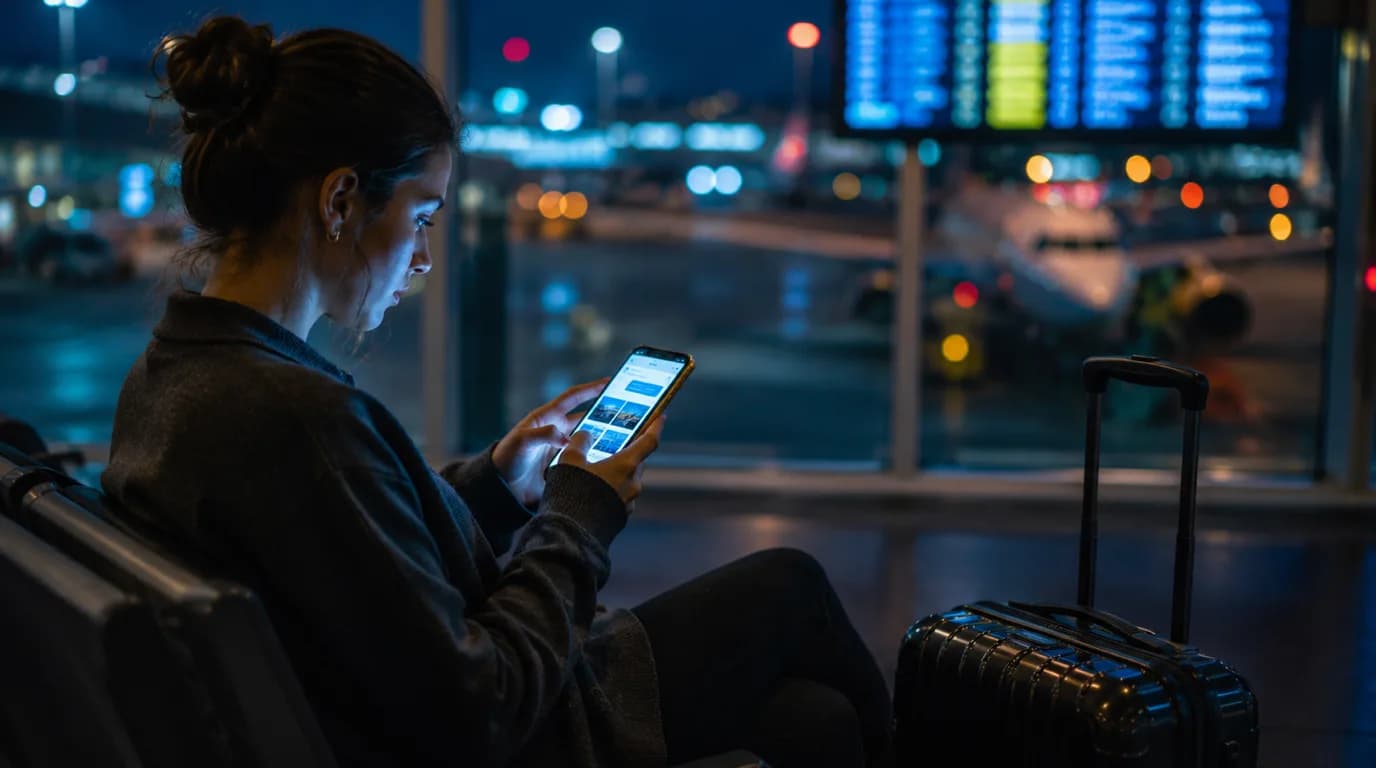
Ask most hotel owners how guests find their property and you will hear "OTAs and word of mouth." Both still matter — but the journey that happens before a guest ever opens MakeMyTrip or Booking.com has changed completely, and most Indian hotels are invisible across half of it.
I run digital campaigns and build websites for hotels, and the discovery data we see tells a consistent story: a guest's path now weaves through Google Search, Google Maps, OTA browsing, Instagram saves, and increasingly an AI assistant that simply answers the question. If your hotel only shows up in one of those layers, you are renting your demand from whoever owns the rest.
Understand the New Discovery Journey
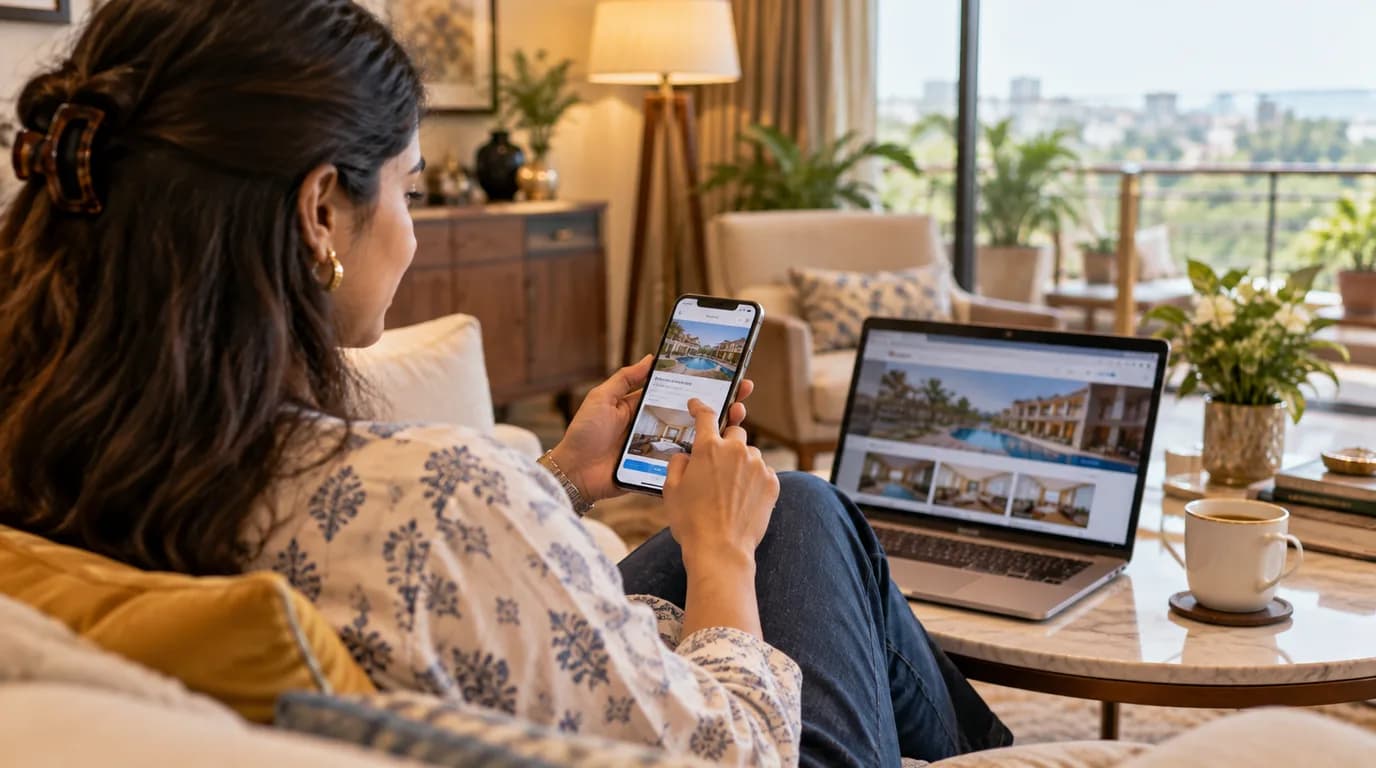
A typical journey today looks something like this: a traveller asks ChatGPT, Gemini, or Perplexity "best boutique hotel in Udaipur for a family" and gets a direct, named shortlist. They check the names on Google Maps — photos, ratings, recent reviews. They scroll Instagram for the pool and the rooms. They compare prices on an OTA. Then, if your direct presence earns it, they land on your website to book.
Discovery is now multi-surface, and every surface is checking your story against the others. A glowing OTA listing next to a dead Google profile and a broken website does not read as charming — it reads as risky.
Make Your Hotel Machine-Readable
Here is the shift that matters most in 2026: increasingly, the first "guest" reading about your hotel is not a human — it is a machine deciding whether to recommend you. AI assistants and search engines assemble their answers from your website's structured data, your Google Business Profile, your reviews, and your OTA content.
That means consistency is now a ranking factor:
- Same name, address, and phone number everywhere.
- Same positioning — if your website says "luxury heritage haveli" and your OTA listing says "budget guest house," machines hesitate and so do humans.
- Structured data (schema markup) on your website so engines understand your rooms, amenities, price range, and location without guessing.
- Amenities, check-in times, and policies that agree across every platform.
In the campaigns we run for hotels, cleaning up inconsistencies alone — before spending a rupee on ads — has measurably improved how often a property surfaces in search and AI answers.
Win AI Citations by Answering Real Questions
AI assistants do not reward brochures; they reward answers. When someone asks "is Udaipur good for a family trip in June" or "boutique hotels near Lake Pichola with a pool," the assistant cites sources that actually address the question.
Content that answers real guest questions wins AI citations. That means pages and posts on your own site covering the questions your front desk hears daily: best season, what is nearby, family suitability, food, parking, airport distance. Plain, honest, specific. This is also exactly why discovery should land on your own website rather than a commission-charging middleman — the economics are covered in our piece on direct bookings, but the short version is: the same guest is worth meaningfully more when they book direct.
Treat Reviews as Training Data
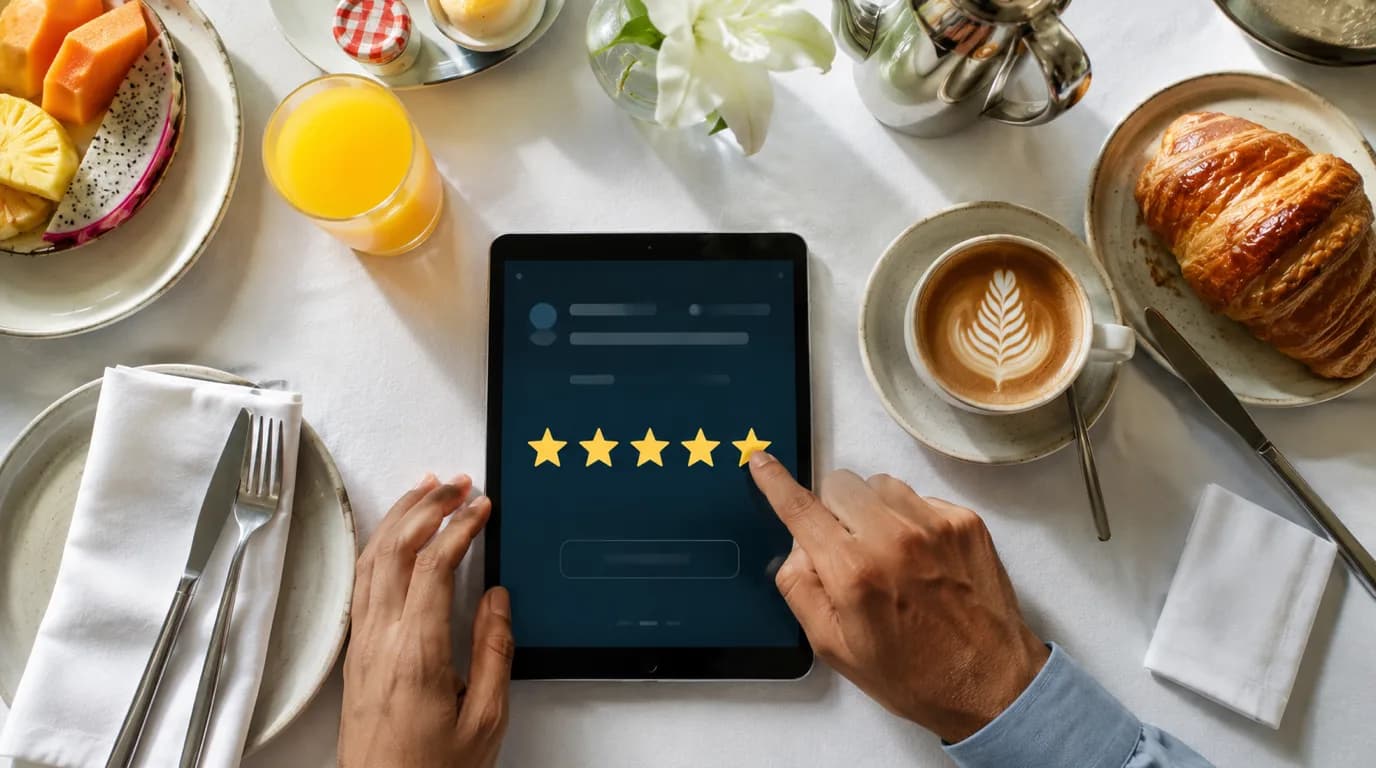
Reviews were always social proof. Now they are also literally training data — AI assistants summarize them to describe your hotel. If a hundred reviews mention "great breakfast, slow check-in," that is how machines will introduce you to the next thousand travellers.
So the review playbook changes:
- Volume and recency matter — a steady drip of fresh reviews beats an old pile.
- Reply to everything, especially negatives; your replies are read by both humans and machines.
- Nudge guests toward specifics — a review that mentions the rooftop restaurant or lake view teaches algorithms what you should be found for.
Dominate the Maps and Local Layer
For any guest who has narrowed down to a city, Google Maps is the real battlefield — photos, ratings, "popular times," and direction taps happen there before any booking site opens. Your Google Business Profile is the single highest-leverage free asset you own, and it deserves a dedicated playbook; I have written one on Google Business Profile for hotels. At minimum: complete every field, keep photos fresh, and never let questions sit unanswered.
Make Your Website Fast and Mobile-First
When discovery finally sends a guest to your site, you have a few seconds on a mobile connection to not lose them. The bar in 2026 is simple: loads fast on a mid-range phone, shows price and availability without friction, and lets a guest book or WhatsApp you in under a minute. A beautiful site that takes ages to load is a beautiful way to fund OTA commissions.
Prioritize With a Limited Budget
You do not need to do everything at once. If I had to sequence it for a typical independent Indian hotel:
- Fix consistency — name, details, positioning, photos across Google, OTAs, and your site.
- Google Business Profile — complete, fresh, actively managed.
- Review velocity — a simple ask-at-checkout system plus replies.
- Website speed and mobile booking flow.
- Question-answering content — one honest, useful page a month.
Start This Month
- Ask ChatGPT, Gemini, and Perplexity for the best hotels in your city and segment — note whether you appear and what they say about you.
- Audit your name, address, phone, and positioning across Google, your website, and your top two OTAs; fix every mismatch.
- Set up a checkout-time review ask and commit to replying to every review within 48 hours.
- Test your website on a mid-range phone over mobile data and time the path to booking.
- List the ten questions guests ask most and publish answers to the first two.
If you want a practical read on where your hotel is visible, where it is invisible, and what to fix first, book a 30-minute strategy call and we will map your discovery footprint together.
Owner's guides
Brand selection, pre-opening & feasibility playbooks — download instantly.
Frequently Asked Questions
Quick answers on how guests actually find hotels in 2026: google, maps, and ai search.
A traveller asks ChatGPT, Gemini or Perplexity for, say, the best boutique hotel in Udaipur for a family and gets a named shortlist. They check those names on Google Maps for photos, ratings and recent reviews, scroll Instagram for the rooms and pool, and only then open an OTA or hotel site.
That the first reader of your hotel is increasingly a machine deciding whether to recommend you. AI assistants and search engines assemble answers from your website's structured data, your Google Business Profile and your reviews — so those have to be accurate, complete and consistent.
By answering real questions rather than publishing brochure copy. When someone asks whether Udaipur suits a family trip in June, or for boutique hotels near Lake Pichola with a pool, the assistant cites sources that actually address the question.
Because they are effectively training data — AI assistants summarise them to describe your hotel. If a hundred reviews mention great breakfast and slow check-in, that is how machines will introduce you to the next thousand travellers.
In order: consistency of name, details, positioning and photos across Google, the OTAs and your own site; then a complete, fresh, actively managed Google Business Profile; then a simple review-velocity routine; then website speed and booking friction.
About the Guest Writer

Chandan Kumar
Founder, Global Info Edge
Chandan Kumar is the founder of Global Info Edge, a digital growth agency that builds high-performance websites and runs measurable digital marketing for hospitality and service brands — including the platform you're reading this on. He writes about how hotels get found, chosen and booked online.
View profile