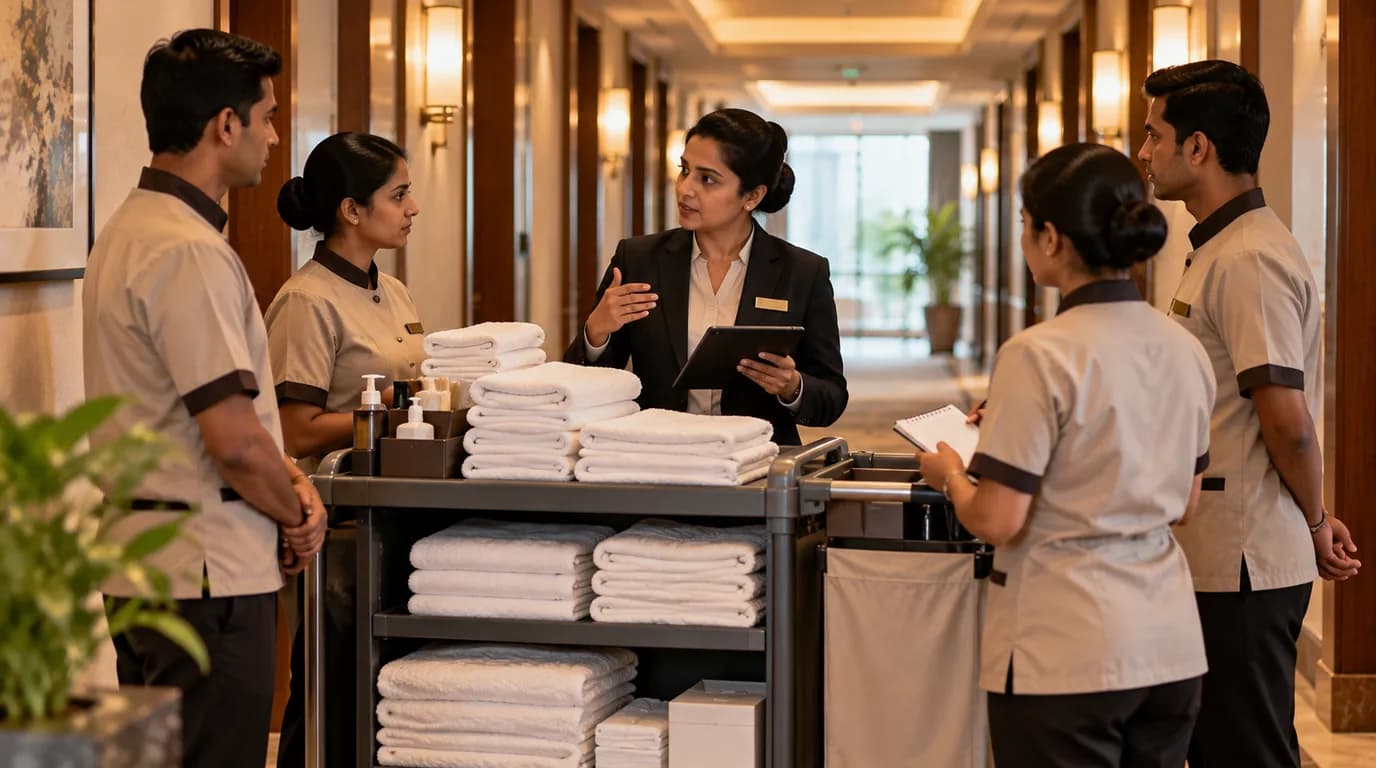

The short answer
Opening a hotel in India typically requires an occupancy certificate, a fire NOC, municipal trade and health licences, police licences, FSSAI registration or licence, GST and Shops and Establishments registration, pollution control consents, and an excise bar licence if alcohol is served. Requirements vary by state and city, and the slowest approvals must be started months before opening.
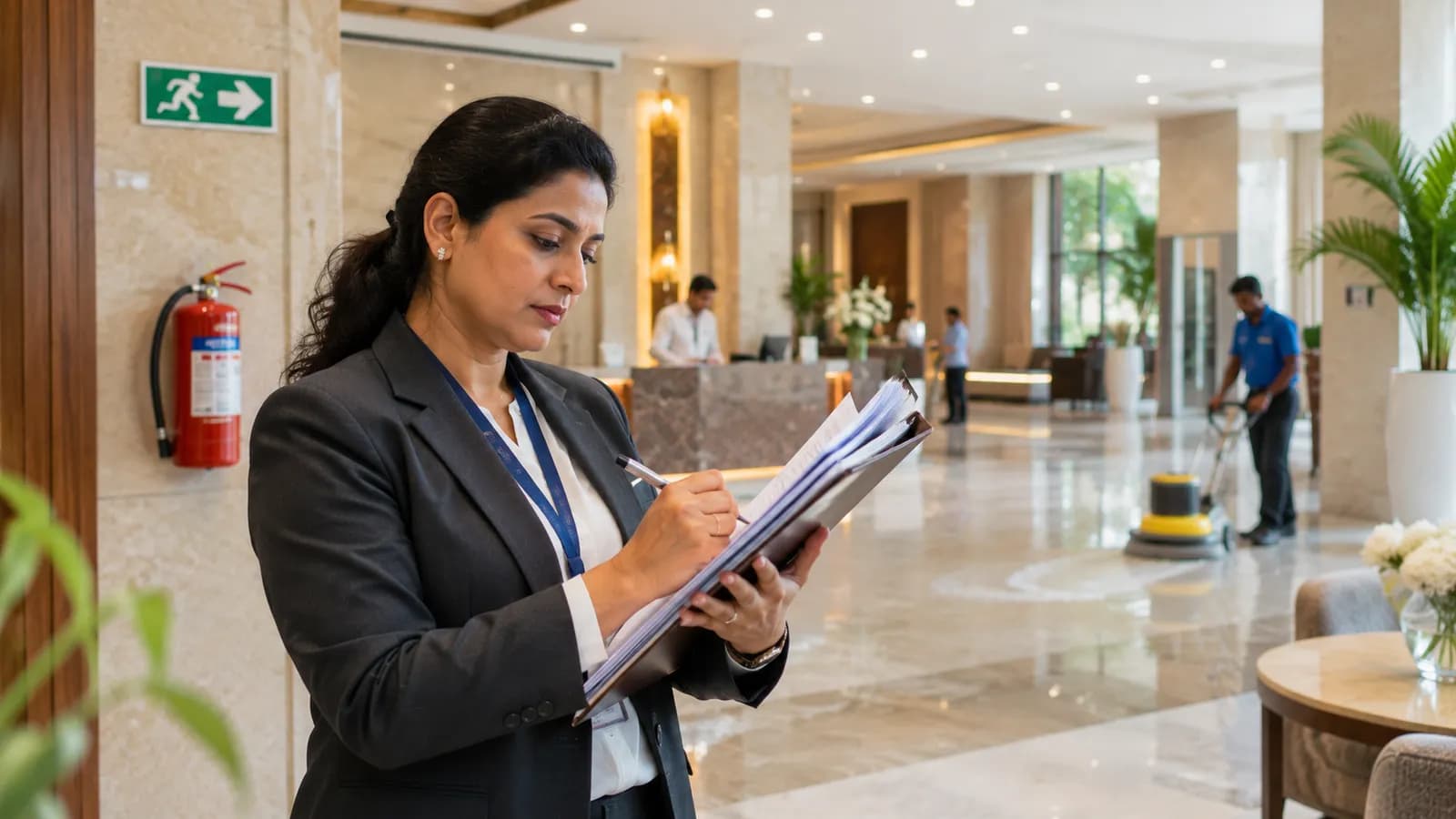
A hotel can be built, furnished, staffed and fully trained, and still be unable to open its doors because one approval has not come through. It happens more often than owners expect. The building is finished, the GM is on payroll, the pre-opening budget is burning, and the fire NOC or the bar licence is stuck in a queue that nobody started early enough.
The approvals themselves are not mysterious. What catches owners out is sequencing: several licences depend on the building being substantially complete, a few depend on other licences being granted first, and the slowest ones cannot be rushed at the end. Treating licensing as a workstream with its own owner and timeline — rather than a last-month task for the GM — is the single best protection against a delayed opening.
What licences does a hotel need in India?
The list varies by state and city, but most hotels need some version of the following: an occupancy or completion certificate for the building, a fire NOC from the state fire service, municipal trade and health licences, police licences for lodging and eating house where the city requires them, FSSAI registration or licence, GST registration, Shops and Establishments registration, consent to establish and consent to operate from the state pollution control board, lift licences, generator approvals, signage permission, and an excise licence if you serve alcohol. Music licences for public performance usually sit on top of that list.
Which approvals come first?
Start with the building. The occupancy or completion certificate confirms the structure was built to the sanctioned plan, and many later approvals ask for it. The pollution control board's consent to establish should be in place before construction; the consent to operate comes before opening. The fire NOC follows an inspection of the completed building — staircases, egress, sprinklers, alarms, hydrants — so any design compromise made during construction shows up here. If the fire department asks for changes, they are far cheaper to make before interiors are finished.
Why does the bar licence take so long?
The excise licence is usually the slowest and most expensive approval, and it is issued under state rules that differ significantly from one state to the next. Fees, categories, eligibility conditions and inspection processes all vary, and some states require other licences — fire, police, FSSAI — to be in place first. Excise licences are also typically tied to the entity and premises, so changing the ownership structure later can mean a fresh application. Plan the bar licence as a long-lead item and budget its fee realistically; for many hotels it is one of the largest pre-opening licence costs.
Central or state FSSAI licence?
Every hotel serving food needs FSSAI registration or a licence. The category depends on turnover and the nature of operations: businesses above a specified annual turnover — commonly cited as ₹20 crore — or in certain categories require a central licence, while smaller operations need a state licence. Check the current thresholds before applying, and remember that the licence brings ongoing obligations: food safety supervision, hygiene standards, and records that inspectors can ask to see.
The licences people forget
Some approvals are routinely missed because they feel minor. Lift licences and periodic inspections. Generator approvals and, in some cities, restrictions on diesel generator use during pollution episodes. Signage permission from the municipality. Weights and measures where relevant. Music licences for lobbies, restaurants and events. Labour registrations once the team is hired. None of these is difficult, but any of them can draw a notice in the first months of operation if overlooked.
What happens if a licence lapses after opening?
Getting licences is only half the job; keeping them is the other half. Most approvals carry renewal dates, conditions or periodic inspections — fire safety audits, lift inspections, FSSAI renewals, excise renewals and pollution consent renewals among them. A lapsed licence can mean penalties, a closure notice for an outlet, or a bar that cannot serve on the busiest night of the year. Keep a single renewal calendar, owned by one person, with reminders set well ahead of each expiry.
Is star classification worth applying for?
Ministry of Tourism star classification is voluntary. A hotel can operate legally without it. It can help with credibility, some corporate and government business, and eligibility for certain state incentives, but it is not a substitute for the mandatory licences. Decide on it as a commercial question once the essential approvals are secured.
A working checklist
| Approval | Typically issued by | When to start |
|---|---|---|
| Occupancy / completion certificate | Municipal or development authority | As construction completes |
| Consent to establish / operate | State pollution control board | Before construction / before opening |
| Fire NOC | State fire service | Once building is substantially complete |
| Trade and health licence | Municipal corporation | Three to four months before opening |
| Police licences (lodging, eating house) | City police, where required | Three to four months before opening |
| FSSAI licence or registration | FSSAI (central or state) | Three months before opening |
| Excise bar licence | State excise department | Six months or more before opening |
| GST, Shops and Establishments | Tax and labour departments | As soon as the entity is set up |
| Lift, generator, signage | State and municipal bodies | During fit-out |
| Music licences | Copyright societies and rights owners | Before soft opening |
These lead times are indicative. Build your own against your state's actual process, and confirm requirements on the relevant state and municipal portals, because names, categories and fees change.
Where to start this month
If your hotel is within a year of opening:
- Appoint one person to own licensing, with a tracker and weekly review.
- List every approval for your state and city, not a generic national list.
- Map the dependencies — which licences need the occupancy certificate or fire NOC first.
- Start the excise application early and budget the fee realistically.
- Walk the building with a fire consultant before interiors are closed up.
- Calendar the renewals so a licence never lapses after opening.
Licensing sits inside the wider 12-month pre-opening countdown, and it is one of the workstreams our pre-opening support is designed to keep on schedule. If you want a licence plan built around your actual opening date, book a strategy call.
Owner's guides
Brand selection, pre-opening & feasibility playbooks — download instantly.
Frequently Asked Questions
Quick answers on hotel licences and approvals in india: a pre-opening checklist.
Most hotels need an occupancy or completion certificate, a fire NOC, municipal trade and health licences, police licences for lodging and eating house where the city requires them, FSSAI registration or licence, GST and Shops and Establishments registration, pollution control board consents, lift and generator approvals, and an excise licence if alcohol is served. The exact list and names vary by state and city.
The excise bar licence is usually the slowest and most expensive, followed by the fire NOC, which depends on the building passing inspection. Both depend on the building being substantially complete, so they need to be planned months ahead rather than applied for in the final weeks.
It depends on turnover and operations. Food businesses above a specified annual turnover threshold — commonly cited as ₹20 crore — or operating in certain categories require a central licence; smaller operations need a state licence or basic registration. Check the current FSSAI thresholds for your property before applying.
No. Ministry of Tourism star classification is voluntary. It can help with credibility, some government and corporate business, and certain incentives, but a hotel can legally operate without it if all mandatory licences are in place.
Generally yes, for public performance of recorded music in lobbies, restaurants, bars and events. Hotels typically obtain licences from the relevant copyright societies and rights owners. Check current requirements, because the bodies and their scope have changed over time.

Written by
Rachit Goel
Founder & Principal Hospitality Consultant
Founder of The Hotel Adviser and a hospitality leader with 25+ years of hands-on experience across Marriott, Radisson, Ramada and Taj — spanning pre-opening, operations, revenue management and food & beverage.