
The Indian wedding calendar does not distribute itself conveniently. After the long pause through Chaturmas, the 2026 season reopens around Devuthani Ekadashi in late November, runs through a tight cluster of dates, picks up again in the first half of December, and then closes for Kharmas. What that produces is a short, intense window: a small number of genuinely auspicious dates carrying four months of accumulated demand from families who have been waiting since the summer.
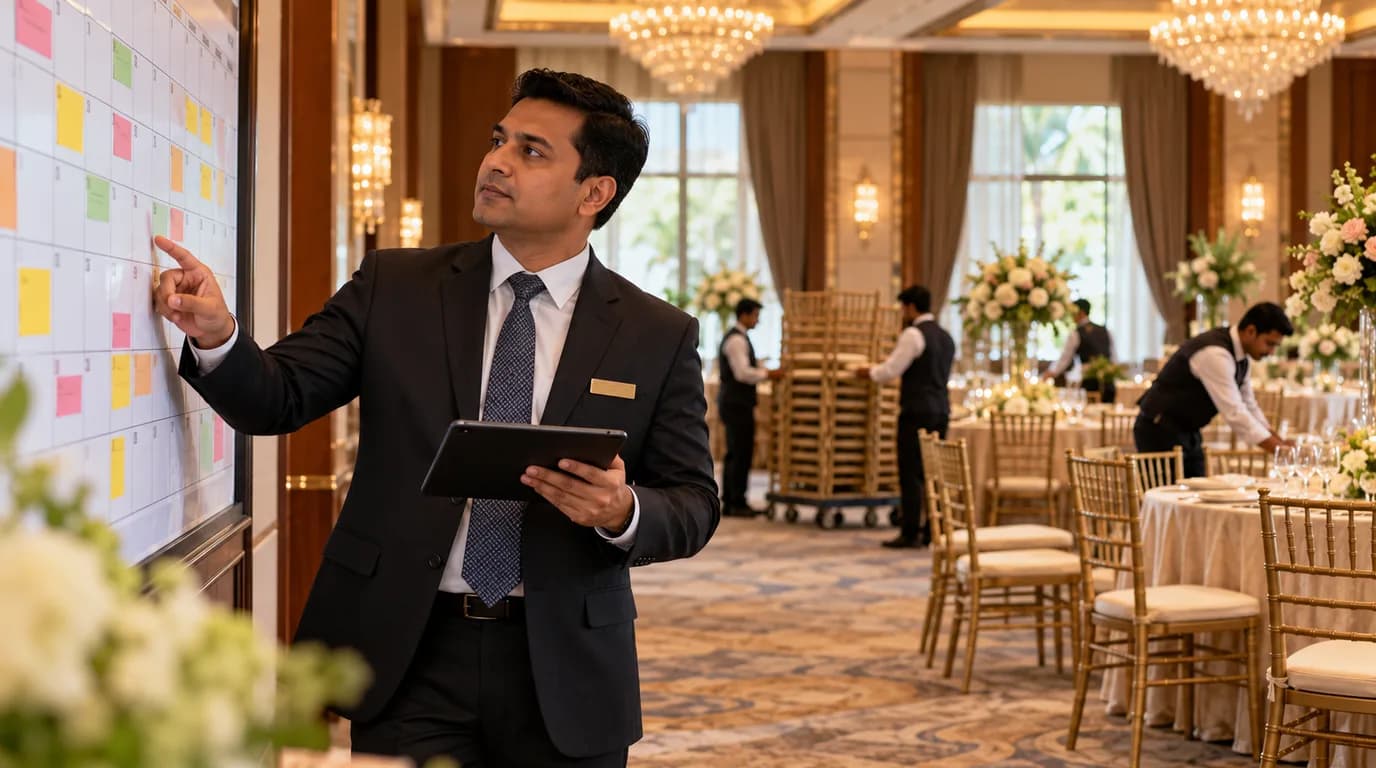
For a hotel with banquet space, this is the most valuable and most mismanaged fortnight of the year. The demand is not spread evenly across November and December — it is concentrated on specific dates that every competing venue in your city is also selling. Treating those dates like ordinary inventory, at an ordinary banquet tariff, with ordinary urgency, is how hotels end up looking back at a sold-out season and realising they sold it too cheaply.
Know your actual dates, locally
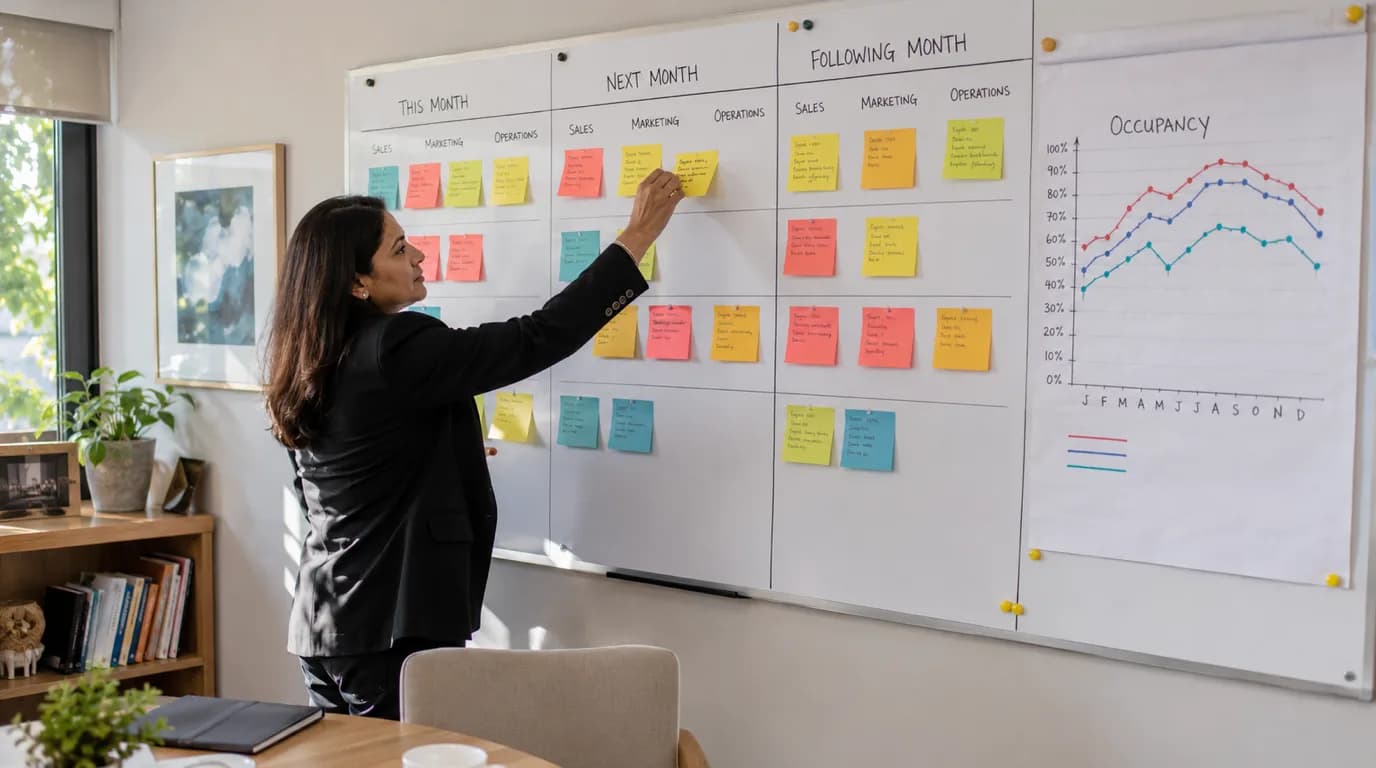
Start by getting the calendar right for your own market. Panchang lists converge on a cluster of auspicious dates in the back half of November and a run in the first two weeks of December, but they vary by tradition, region and community — and the dates your local market actually transacts on are the ones that matter. Build a date-level grid for the rest of the year: which dates are genuinely in demand in your city, which are secondary, and which are dead. Every pricing and selling decision that follows depends on that grid being accurate, and on it being yours rather than a generic list.
Price date by date, not by season
The single highest-return change most hotels can make is to stop having a banquet tariff and start having date-level pricing. A peak auspicious date with four live enquiries is not the same product as the Tuesday before it. It should carry a higher minimum spend, a shorter and firmer inclusion list, less willingness to absorb extras, and a harder rate on the attached room block. Secondary dates can be sold more flexibly, and dead dates are where you can afford to be generous to win a relationship. Hotels that run one price across the season systematically underprice their best nights and overprice the ones nobody wants.
Do the displacement maths before you commit
A wedding fills more than a banquet hall. It takes a room block, it occupies your F&B capacity, it absorbs your service team, and it frequently restricts what else you can sell that night. On a compressed calendar, those dates are also strong transient and corporate dates, so the real question is not whether the wedding is profitable — it is whether it is more profitable than what it displaces. A large social booking at a soft room rate on a date you could have sold at your highest transient rate can be the wrong business. Run the displacement analysis properly on peak dates, including the F&B and the room block together, before you sign.
Make the room block a real negotiation
Room blocks attached to weddings are routinely given away. The banquet number is negotiated hard and the rooms are thrown in at a courtesy rate to close the deal — on precisely the nights when those rooms had genuine alternative demand. Treat the block as part of the commercial conversation: a defensible rate, a realistic number of rooms, a cut-off date, and clear terms on attrition and release. Families planning a wedding expect to negotiate; they do not expect the rooms to be free, and they rarely walk away over a rate that is explained.
Hold space with deadlines, not hope
Peak dates attract multiple enquiries, and the temptation is to hold the date for the biggest one. That is how hotels arrive at the best night of the year with an empty hall. Use first-right-of-refusal with an explicit expiry, require a deposit to convert a hold into a confirmation, and keep the second and third enquiries warm rather than turning them away. The discipline is simple: no hold without a date on which it dies, and no confirmation without money.
Deliver it, because this is a referral business
The commercial case for executing a wedding well is not sentiment. A single wedding is seen by several hundred guests, many of whom have their own events to place, and the family will tell everyone they know how it went. On a compressed calendar you may be running back-to-back events with a tired team, which is exactly when delivery slips. Staff the peak dates deliberately, brief every department from the full event file, and have one person owning the family's experience on the day. The banquet and wedding revenue that compounds year after year comes from events that were delivered properly, not from events that were merely sold.
Sell 2027 in the same conversation
The compressed 2026 window has an obvious consequence: more families want those dates than can have them. 2027, by contrast, carries a far larger spread of auspicious dates across the year. Every enquiry you cannot accommodate in November or December is a live prospect for 2027 — and the hotel that offers the alternative date in the same conversation, rather than simply declining, usually keeps the business. Have the 2027 grid ready, know which dates you most want to fill, and treat an unplaceable 2026 enquiry as the start of a sale rather than the end of one.
Where to start this month
To get the most out of a short season:
- Build a date-level demand grid for your own market, not a generic muhurat list.
- Replace the flat banquet tariff with pricing and minimum spends by date tier.
- Run displacement maths on every peak-date enquiry, rooms and F&B together.
- Negotiate the room block with a real rate, a cut-off and attrition terms.
- Put an expiry on every hold and take a deposit to confirm.
- Staff and brief the peak dates deliberately — delivery is next year's pipeline.
- Have the 2027 calendar ready and convert every unplaceable enquiry onto it.
A short season rewards preparation more than a long one, because there is no second chance at a date that only comes once. If you want help building date-level pricing and a banquet sales process before the window opens, book a strategy call.
Owner's guides
Brand selection, pre-opening & feasibility playbooks — download instantly.
Frequently Asked Questions
Quick answers on a compressed wedding season: how to sell november and december 2026.
The traditional calendar pauses through Chaturmas from roughly July to October, and the season reopens around Devuthani Ekadashi in late November. That leaves a cluster of auspicious dates in late November and a short run in early-to-mid December before Kharmas closes the window — a handful of sellable dates carrying four months of accumulated demand.
Date by date, not by season. A genuinely auspicious date with multiple enquiries should carry a higher minimum spend, a tighter inclusion list, and a firmer rate on the attached room block than a surrounding date with no demand. Pricing the whole month at one banquet tariff is the most common way hotels underprice their best four nights of the year.
Only with a deadline attached. Holding a peak date open for a larger enquiry that may not close is how hotels end up with an empty banquet hall on the best date of the year. Work to a first-right-of-refusal with an expiry, require a deposit to confirm, and keep the next enquiry warm rather than refusing it.
Now. 2027 carries far more auspicious dates than 2026, and families planning large weddings are already looking at them. Every enquiry that cannot be accommodated on a compressed 2026 date is a live prospect for 2027, and the hotel that offers that alternative in the same conversation usually keeps the business.

Written by
Rachit Goel
Founder & Principal Hospitality Consultant
Founder of The Hotel Adviser and a hospitality leader with 25+ years of hands-on experience across Marriott, Radisson, Ramada and Taj — spanning pre-opening, operations, revenue management and food & beverage.