
Faith-led travel is the quietest large number in Indian hospitality. A very substantial share of all overnight domestic trips is taken for pilgrimage and religious purposes, the circuits are spread across the country rather than concentrated in a few metros, and the demand keeps coming in years when corporate travel budgets are cut and discretionary leisure softens. Add a decade of infrastructure investment around major shrines — corridors, roads, airports, rail connectivity — and you have a demand story that has attracted a great deal of owner interest.
It deserves that interest. What it does not deserve is to be underwritten like any other leisure market, which is what frequently happens. Owners see the footfall numbers around a major shrine, apply the assumptions they would use for a city hotel or a resort, and build something the market does not want at a cost it will not support. The demand in pilgrimage markets is genuinely strong; it is simply a different business.
Volume is the opportunity, not rate
The first adjustment is to the shape of the revenue. Faith-led markets deliver impressive volume and remarkably steady occupancy, because the reason for travel is not discretionary in the way a holiday is. What they rarely deliver is strong ADR. These are high-churn, value-conscious travellers, often moving in families or groups, frequently staying one or two nights. A project underwritten on the rate trajectory of a corporate market will miss, and the gap will show up in year two when the stabilised numbers arrive. Underwrite for occupancy and efficiency, and let rate growth come from festival peaks rather than from an assumed annual escalation.
Build the product the market actually wants
The commonest and most expensive mistake is building above the market. A pilgrimage market generally wants clean, efficient, well-managed mid-market rooms with reliable hot water, air-conditioning, safe and plentiful vegetarian food, and enough space for a family. It does not want — and will not pay for — a specialty restaurant, a bar, a spa, or lavish public areas. Every rupee of build cost that goes into facilities the market does not value is a rupee that has to be recovered from a rate the market will not pay. Getting the segment right is the whole game, and in these markets the answer is usually simpler and cheaper than an ambitious owner would like.
Festival dates run the year
Seasonality in pilgrimage markets is not a gentle curve; it is a set of spikes. Specific festivals, auspicious months, and shrine-specific events concentrate enormous demand into days or weeks, and the gaps between them can be genuinely quiet. That has consequences for everything. Pricing needs real controls on peak dates — advance purchase, minimum stay, closed discounts — because those dates subsidise the year. Staffing has to flex dramatically, which means a core team plus a trained, repeatable seasonal workforce rather than a flat establishment. And the budget must not quietly extrapolate peak performance across twelve months, which is the arithmetic error that sinks these projects.
The operating model is different by design
Pilgrim travel behaves unlike any other segment, and the hotel has to be designed around it. Guests arrive and depart at hours dictated by darshan or prayer timings, not by check-in policy, so front desk and housekeeping must be built for very early and very late turns. Stays are short and occupancy per room is high, which drives linen, water, housekeeping and maintenance loads well above what a room count suggests. Food and beverage is high-volume, vegetarian, often strictly so, frequently without alcohol, and demanded in concentrated bursts around fixed timings — which is a kitchen planning problem, not a menu problem. Retrofitting any of this later is expensive; designing for it costs nothing.
Interrogate the site as hard as any other
Enthusiasm about a demand story is not a substitute for site work. Walking distance or reliable transfer time to the shrine is often the single largest driver of achievable rate. Access and parking matter enormously for group arrivals by bus. Water availability and power reliability deserve genuine investigation, because the peak loads are severe. Land titles in old temple towns can be complicated, and local regulation around construction near heritage and religious sites is frequently restrictive. The same discipline you would apply to site selection anywhere applies here, with extra weight on access and utilities.
Watch the supply that followed you in
Pilgrimage markets have not been a secret. Many of the headline destinations have seen a wave of new rooms arrive alongside the infrastructure, ranging from branded mid-market hotels to a large and often under-counted unbranded supply of guest houses, dharamshalas and small hotels. That informal supply competes directly for the value-conscious traveller, and it rarely appears in a conventional supply study. Underwrite against what is actually in the market and what is announced, not against the branded room count alone, or you will discover the competition after you have committed the capital.
Then decide if it is genuinely bankable
Taken together, the picture is a market that can produce reliable, defensible cash flow — moderate rate, strong occupancy, lean operations, modest build cost — and can be an excellent asset for an owner who wants resilience rather than trophy value. It is a poor market for an owner who wants a prestige hotel or aggressive rate growth. The honest test is whether the project still works with a conservative stabilised rate, a realistic festival calendar, the real supply picture and the operating costs that high-churn occupancy brings. That is exactly what a proper feasibility study is for, and it is cheaper than finding out after construction.
Where to start this month
If you are assessing a hotel in a faith-led market:
- Model occupancy-led, not rate-led — steady volume, modest ADR, festival peaks.
- Fix the segment honestly and strip out facilities the market will not pay for.
- Build the year from the actual festival calendar of that shrine or circuit.
- Design for the operating pattern — early turns, high churn, vegetarian volume F&B.
- Test access, water and power at peak load, not at average.
- Count the unbranded supply alongside branded and announced rooms.
- Re-run the numbers conservatively before committing capital.
The demand is real and durable. The projects that fail in these markets are almost never the ones that misread the demand — they are the ones that built the wrong hotel for it. If you want an honest read on a pilgrimage-market project before you commit, book a strategy call.
Owner's guides
Brand selection, pre-opening & feasibility playbooks — download instantly.
Frequently Asked Questions
Quick answers on hotels in pilgrimage markets: reading faith-led demand properly.
It is one of the most resilient demand sources in Indian hospitality, because faith-led travel continues through economic cycles that flatten corporate and discretionary leisure travel. But it is resilient in volume, not in rate. Underwrite it for steady occupancy and modest ADR, with sharp festival peaks, rather than for the rate growth a corporate market might deliver.
Shorter stays and higher churn, family and group travel rather than single occupancy, very early arrivals and departures around darshan or prayer timings, heavy demand for vegetarian and often alcohol-free food and beverage, and extreme peaks around festival dates. Housekeeping, front desk and kitchen all have to be designed around that pattern, not adapted to it later.
Building the wrong product. Faith-led markets are dominated by high-volume, value-conscious travellers, and an owner who builds an upscale hotel with a bar and a specialty restaurant in a market that wants clean, efficient, well-run mid-market rooms with good vegetarian food ends up with the wrong asset at the wrong cost.
Build the year around the specific festival calendar of that shrine or circuit, which concentrates enormous demand into a few days or weeks. That means advance-purchase and minimum-stay controls on peak dates, a staffing plan that flexes dramatically, and a budget that does not assume the peak months represent the normal run of business.
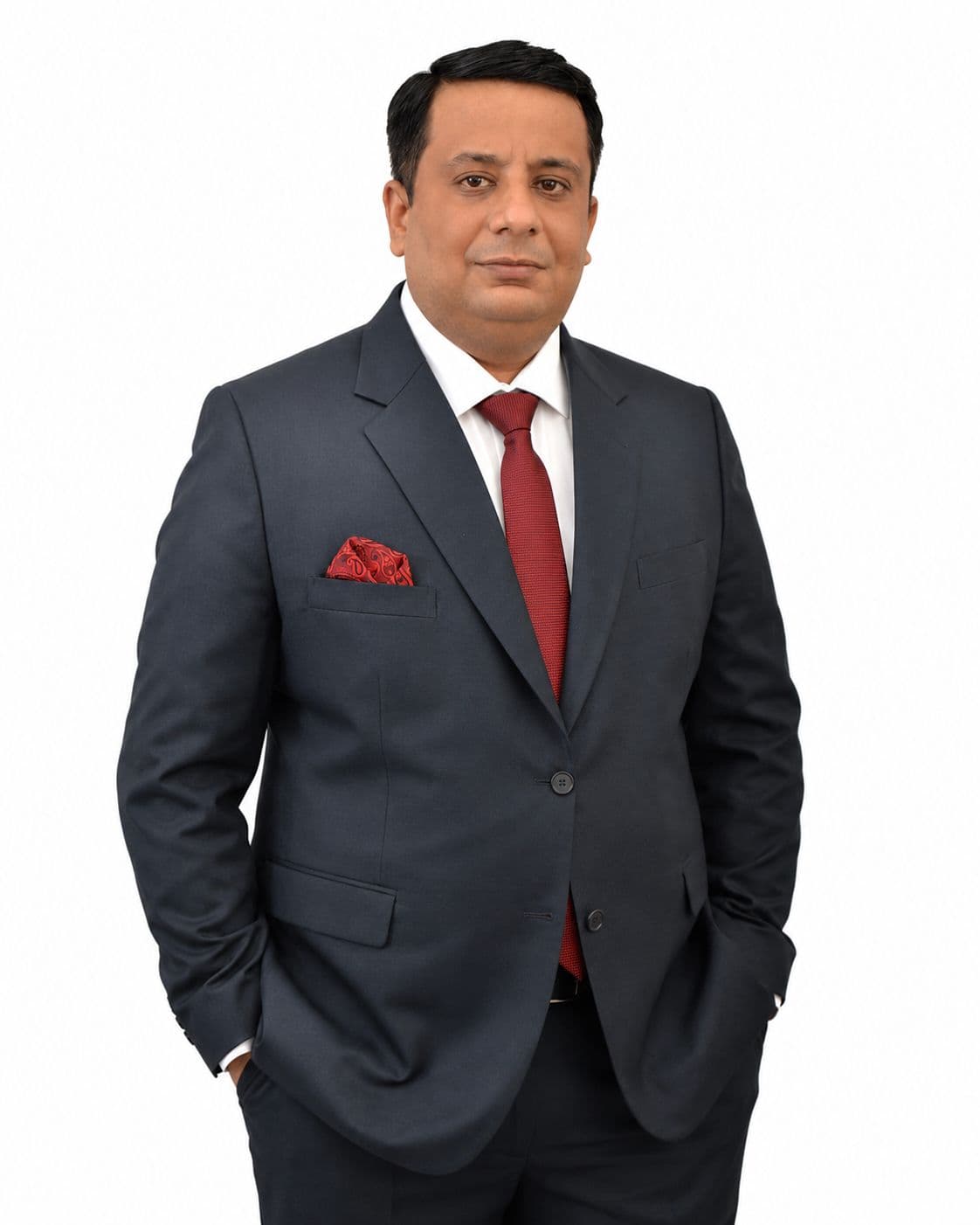
Written by
Rachit Goel
Founder & Principal Hospitality Consultant
Founder of The Hotel Adviser and a hospitality leader with 25+ years of hands-on experience across Marriott, Radisson, Ramada and Taj — spanning pre-opening, operations, revenue management and food & beverage.