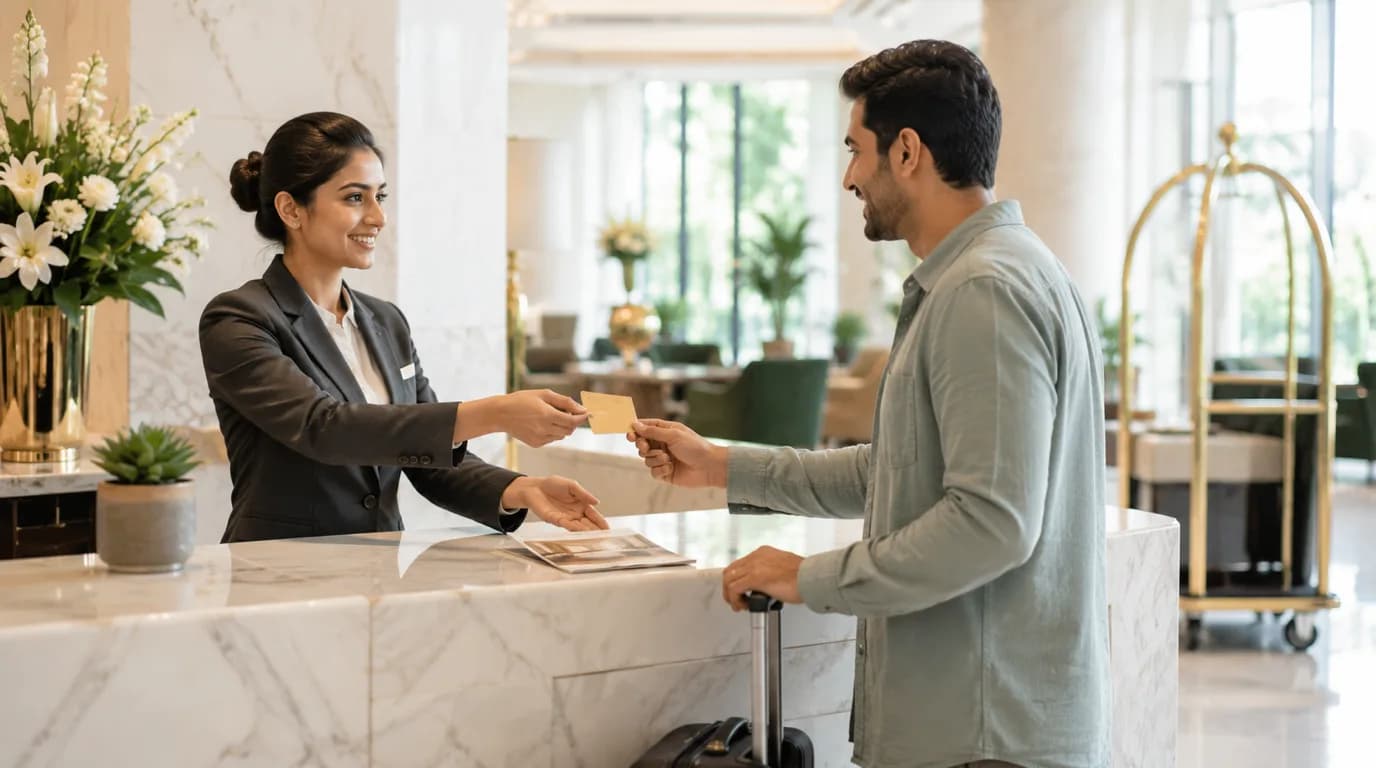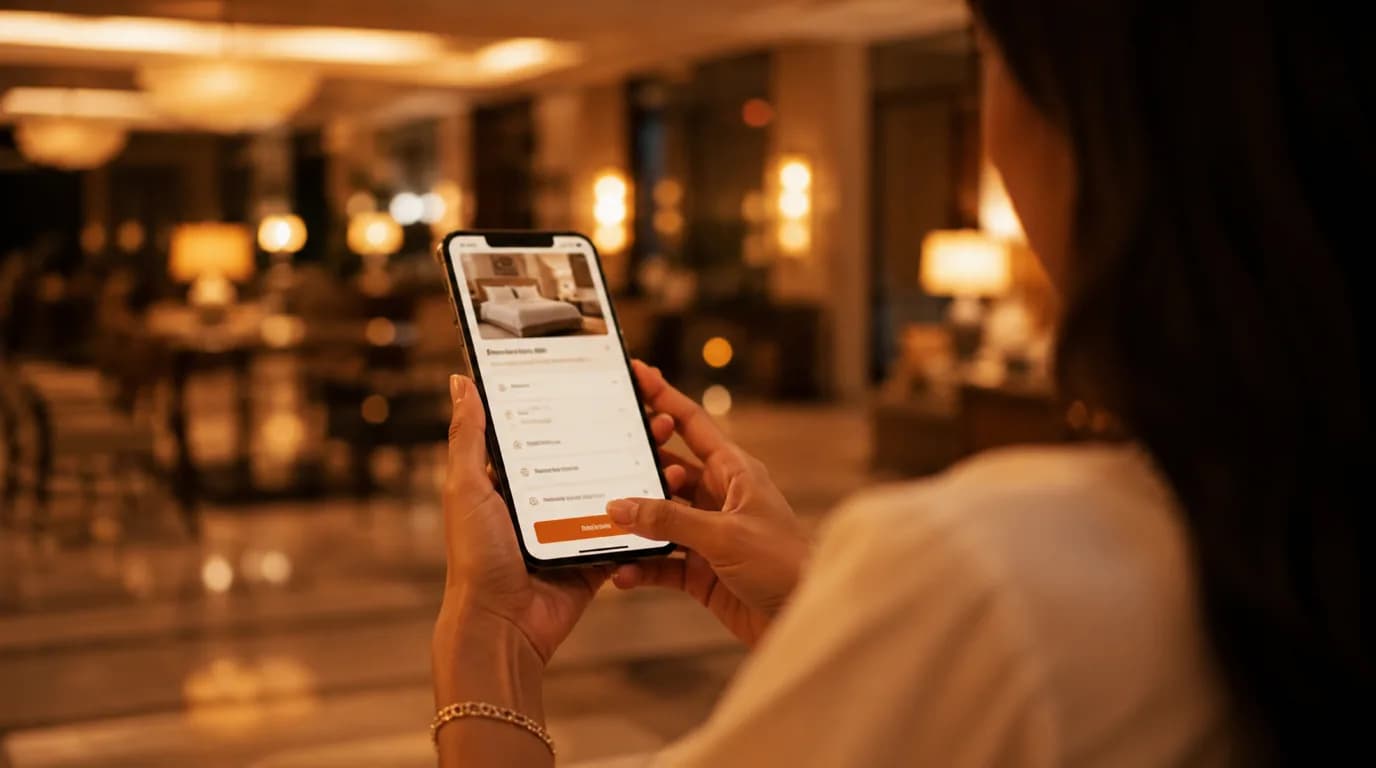


There is a precise moment in every hotel booking when the guest has chosen your property and is only deciding where to book it — your website, Booking.com, MakeMyTrip, or one of a dozen others. That moment happens on metasearch: the price-comparison rows on Google, Trivago, Tripadvisor, and Kayak that show your rate side by side with the OTAs. It is the most valuable real estate in hotel distribution, because the guest has already decided to buy. The only question is who collects the booking.
For most Indian hotels, metasearch is either an untapped opportunity or a quiet money-drain, and the difference comes down to whether it is run with discipline. Done well, it is the sharpest tool available for winning bookings back from the OTAs at a lower cost. Done blindly, it simply pays a platform to send you traffic you cannot convert. Here is how to tell which one you are doing.
What metasearch actually is
Metasearch is not an OTA and not a search engine — it is the comparison layer between them. When a guest searches a hotel, Google Hotel Ads or Trivago shows a row of prices from every channel that has bid to appear, including your own website. The guest clicks the price they like and is sent to that channel to complete the booking. Your job is to be present, priced right, and to convert the click when it lands on your site.
Why it matters for direct bookings
The strategic point is simple: on metasearch, your direct rate competes head-to-head with the OTAs for the same guest, at the same instant. If your own price is visible and at least as good, a meaningful share of guests will click through to you instead of the OTA — a booking you keep in full rather than surrendering a 15–25% commission on. Metasearch is, in effect, the battlefield where the direct-booking war is actually fought.
The models: what you pay for
Metasearch is usually sold in two ways. Cost-per-click means you pay each time a guest clicks your rate, whether or not they book — flexible, but risky if your conversion is weak. Commission-on-booking models (including Google's pay-per-stay options) mean you only pay when a stay completes, which shifts the risk to the platform and is far safer for hotels that are not yet confident in their funnel. For most independent hotels, starting on a pay-per-stay or commission basis is the sensible way in.
Why most hotels waste the spend
The commonest failure is bidding for clicks that land on a website that cannot convert them. If your booking page is slow, your direct rate is higher than the OTA's, or the guest hits friction at checkout, you are paying for traffic and then handing it back to Booking.com anyway. Metasearch amplifies whatever your website already does — so a poor site turns metasearch into an expensive leak. This is exactly why the website essentials have to be fixed before you spend a rupee on metasearch.
Rate parity is non-negotiable here
Metasearch is merciless about price. If an OTA is showing a lower rate than your direct channel — because of an undercut, a member discount, or a parity breach — the comparison row makes it obvious to the guest, and you lose the click you paid to compete for. Before scaling any metasearch spend, make sure your rates are genuinely consistent across channels; without that discipline, you are paying to lose.
When it is worth it — and when it is not
Metasearch is worth it when you have a website that converts, rate parity you control, and enough booking volume to learn from. In that case it is one of the highest-return channels a hotel can run, because it captures guests at the point of decision. It is not worth it if your direct funnel leaks, your rates are inconsistent, or you cannot measure the return — in which case the money is better spent fixing those foundations first.
Where to start this month
To approach metasearch without burning budget:
- Fix the direct funnel first — speed, rate, and a frictionless checkout.
- Lock rate parity across every channel so your price is competitive on the comparison row.
- Start on a pay-per-stay / commission model to shift risk off your hotel.
- Connect through your existing channel manager rather than building from scratch.
- Track cost per booking, not cost per click, as the only number that matters.
- Scale only what pays — grow the campaigns that convert, cut the ones that don't.
Metasearch rewards hotels that have their house in order and punishes those that don't. Get the foundations right and it becomes the most efficient direct-booking channel you have. If you want help deciding whether your hotel is ready for it, book a strategy call.
Owner's guides
Brand selection, pre-opening & feasibility playbooks — download instantly.
About the Guest Writer

Chandan Kumar
Founder, Global Info Edge
Chandan Kumar is the founder of Global Info Edge, a digital growth agency that builds high-performance websites and runs measurable digital marketing for hospitality and service brands — including the platform you're reading this on. He writes about how hotels get found, chosen and booked online.
View profile