The short answer
Two hotels with similar locations, budgets and market conditions can take very different paths, and the difference is often neither the building nor the brand but the relationship between the owner and the general manager. Where the two met regularly and talked openly about challenges, market realities, team morale and long-term vision, the GM operated confidently and the owner stayed informed without micromanaging — and performance followed. Where communication narrowed to cost-cutting and complaints, assumptions replaced conversations and performance suffered despite everyone working hard.
A few years ago, I watched two hotels with similar locations, similar budgets and similar market conditions take very different paths.
The difference wasn’t the building. It wasn’t the brand. It was the relationship between the Hotel Owner and the General Manager.
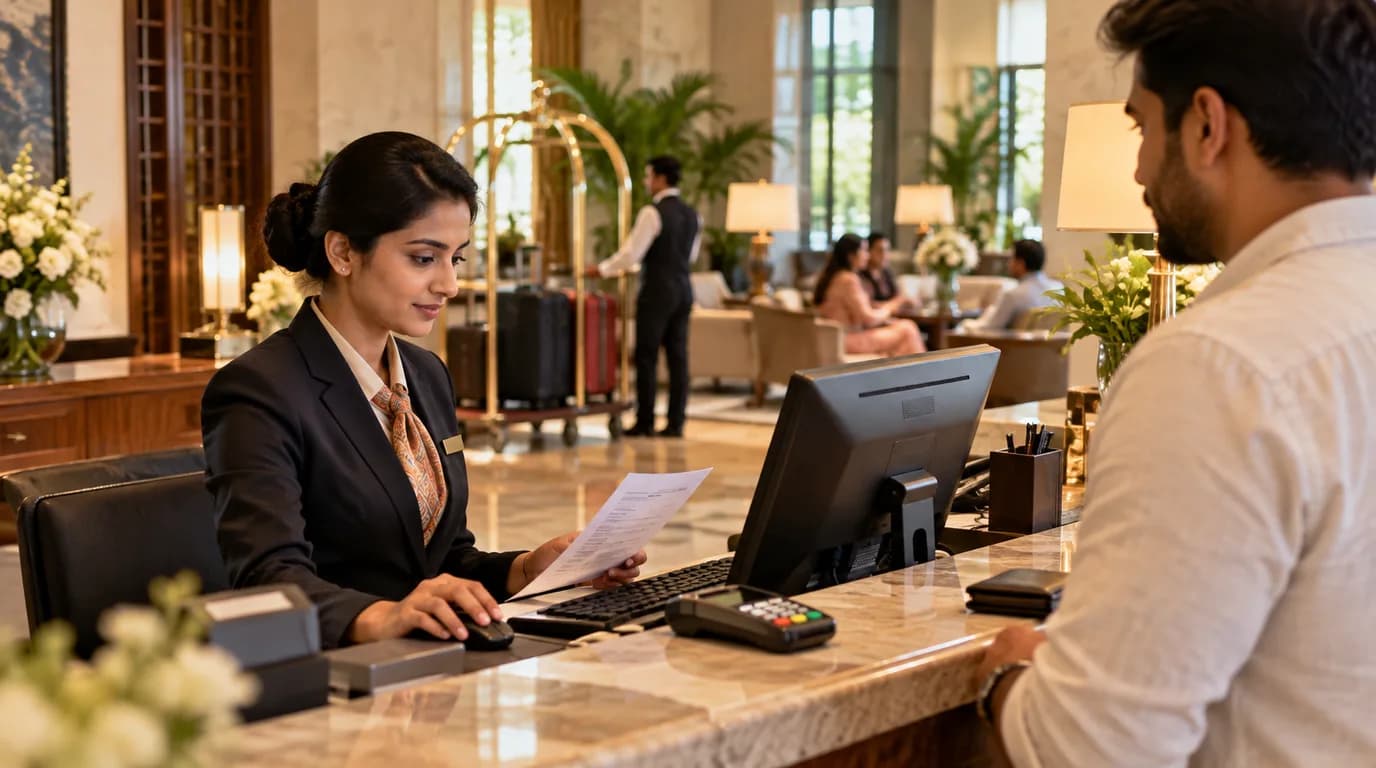
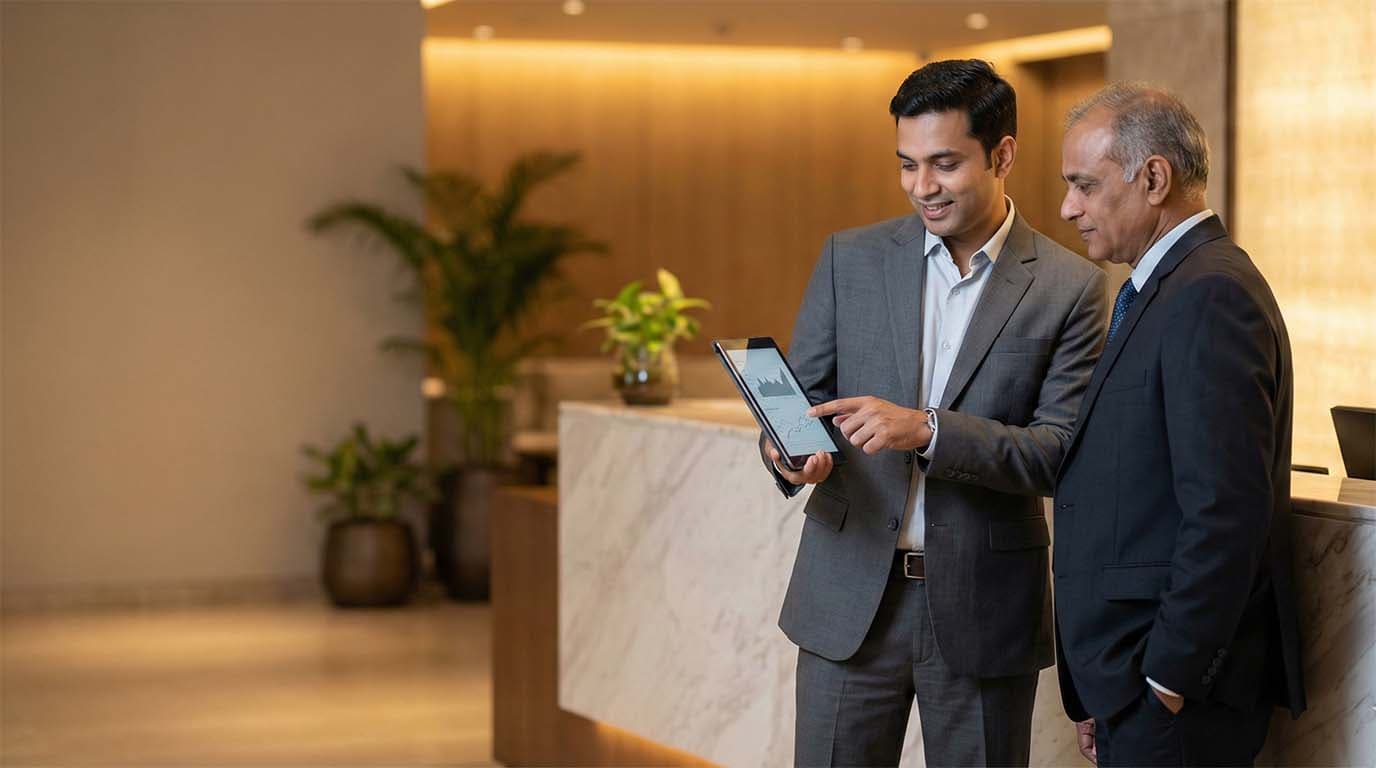
In the first hotel, the owner and GM met regularly. Not just to review numbers, but to talk openly—about challenges, market realities, team morale, and long-term vision. Decisions were debated, not dictated. Trust allowed the GM to operate confidently, while the owner stayed informed without micromanaging. That hotel grew steadily. Guest satisfaction improved. The team stayed motivated. Profits followed.
In the second hotel, communication was limited to discussions about cost cutting and complaints. Assumptions replaced conversations. Frustration replaced trust. The GM felt restricted, and the owner was left with the feeling that the team was not putting in the required effort. Performance suffered, despite everyone working hard.
Hotels succeed when owners and general managers move in the same direction.
A strong owner–GM relationship is built on:
-
Clear communication & transparency
-
Mutual respect for roles
-
Shared vision and aligned goals
-
Honest conversations, especially during tough times
When owners trust their GMs, and GMs understand the owner’s expectations, the hotel becomes more than a business—it becomes a well-led organization. In hospitality, great buildings don’t create great hotels.
Great relationships do.
Owner's guides
Brand selection, pre-opening & feasibility playbooks — download instantly.
Frequently Asked Questions
Quick answers on why owner-gm alignment matters!.
Not the building and not the brand, but the owner-GM relationship. In the hotel where the two met regularly and talked openly about challenges, market realities, team morale and long-term vision, performance improved; in the one where communication narrowed to cost-cutting and complaints, it suffered despite everyone working hard.
Four things: clear communication and transparency, mutual respect for each other's roles, a shared vision with aligned goals, and honest conversations especially during tough times.
Debated rather than dictated. Trust is what lets a GM operate confidently while the owner stays informed without micromanaging — and where assumptions replace conversations, frustration replaces trust.

Written by
Rachit Goel
Founder & Principal Hospitality Consultant
Founder of The Hotel Adviser and a hospitality leader with 25+ years of hands-on experience across Marriott, Radisson, Ramada and Taj — spanning pre-opening, operations, revenue management and food & beverage.